Understanding the Benefits of Prebuilt Greenhouses for Sustainable Agriculture
Release time:
Dec 09,2024
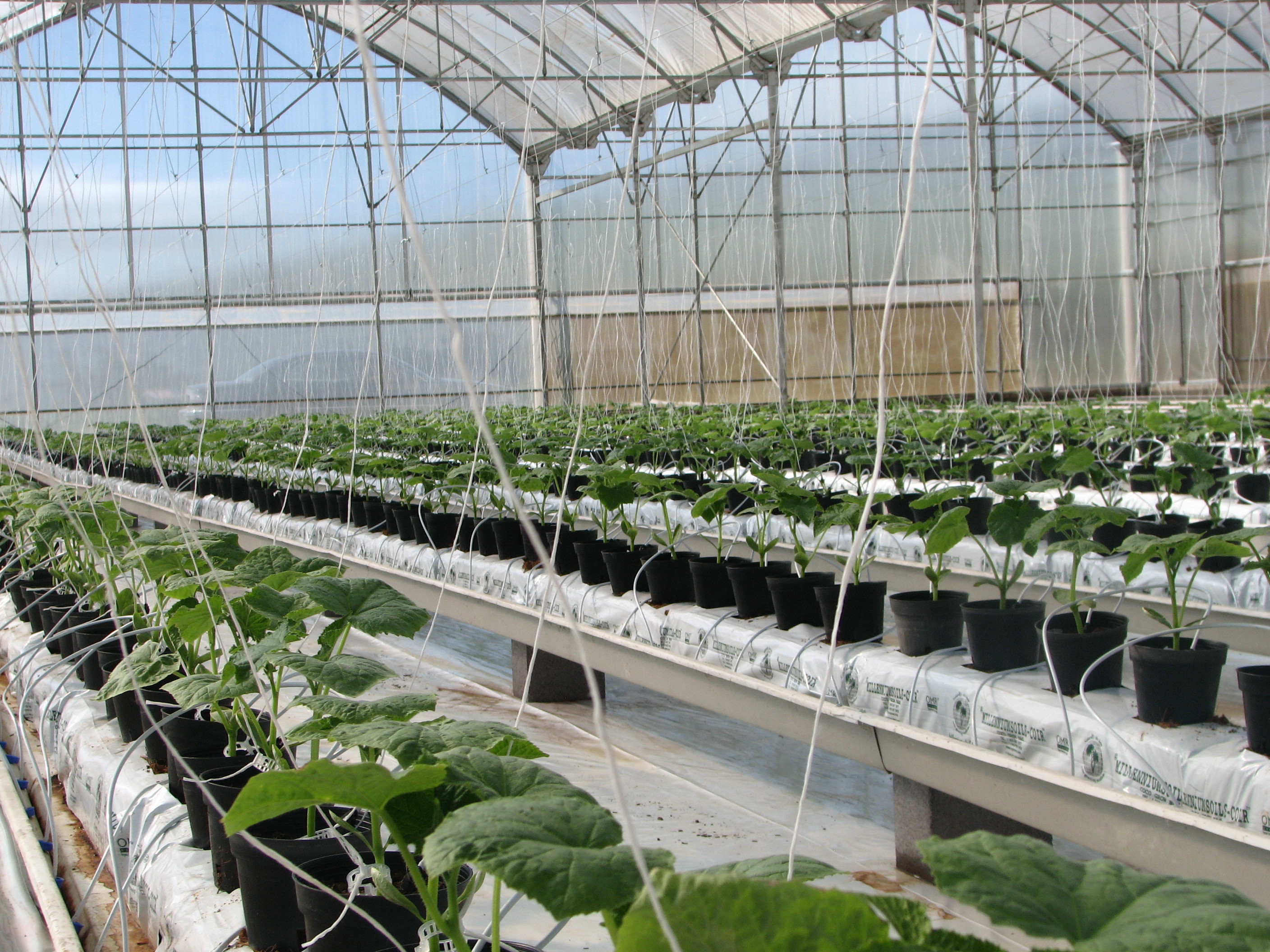
Summary:When it comes to enhancing agricultural productivity, prebuilt greenhouses have emerged as a highly effective solution. These structures are designed to create optimal growing conditions for a variety of plants, enabling farmers and gardeners to extend their growing seasons, improve yields, and cultivate crops with greater efficiency.
Prebuilt greenhouses come in various designs and sizes, cateri
When it comes to enhancing agricultural productivity, prebuilt greenhouses have emerged as a highly effective solution. These structures are designed to create optimal growing conditions for a variety of plants, enabling farmers and gardeners to extend their growing seasons, improve yields, and cultivate crops with greater efficiency.
Prebuilt greenhouses come in various designs and sizes, catering to the diverse needs of both hobbyists and commercial growers. One of the primary advantages of these greenhouses is their ability to regulate temperature and humidity. By trapping heat and moisture, they create a microclimate that is conducive to plant growth, which is especially beneficial in regions with unpredictable weather patterns. This climate control helps to protect plants from harsh environmental conditions, such as frost or excessive heat, ensuring that they thrive throughout the year.
Another significant benefit of prebuilt greenhouses is their efficiency in resource management. They allow for more targeted use of water and nutrients, as the controlled environment minimizes waste and reduces the need for chemical inputs. For sustainable farming practices, this means that farmers can produce healthy crops while minimizing their environmental footprint. Additionally, prebuilt greenhouses often incorporate advanced technologies, such as automated irrigation systems and climate monitoring tools, which further enhance resource efficiency.
Moreover, prebuilt greenhouses can be a valuable asset for local food production. By enabling growers to cultivate a variety of crops year-round, these structures contribute to food security and reduce reliance on imported produce. This localized approach not only supports community health but also fosters economic growth within the agricultural sector.
The construction of prebuilt greenhouses is typically streamlined, allowing for quick assembly and minimal disruption to farming operations. This ease of installation can be particularly advantageous for those new to greenhouse gardening, as it simplifies the process and enables prompt access to the benefits of greenhouse cultivation.
In summary, prebuilt greenhouses represent a forward-thinking solution in the realm of sustainable agriculture. They offer numerous advantages, from climate control and resource efficiency to enhanced local food production. As the demand for sustainable farming practices continues to rise, investing in a prebuilt greenhouse could prove to be a wise decision for anyone looking to improve their agricultural output and contribute positively to the environment. Whether you are a seasoned farmer or a gardening enthusiast, the benefits of prebuilt greenhouses are undeniable, paving the way for a more sustainable future in agriculture.
Related Information
AI+ Agriculture: Discuss its present, challenges and future
With the development and popularization of artificial intelligence (AI) technology, the agricultural industry is ushering in a new change, and agriculture has gradually transformed from a traditional labor-intensive industry to a high-tech industry.
Jun 18,2024
Causes and solutions of strawberry albino fruit
Strawberry albino fruit is a very common physiological disease on strawberries. Strawberry albino fruit generally small fruit, fruit ripening after chlorosis can not be colored normally.
Jun 18,2024
Smart Greenhouse Global Opportunity Analysis and Industry, 2020-2027
Smart greenhouse is a farming technique, which helps user to monitor and control the growth condition of the plant and to optimize the growing process of the plants.
Jun 18,2024
Industry Information