
-
ABOUT US
-
-
-
Search HistoryClear All Records
- 全部
- 产品管理
- 新闻资讯
- 介绍内容
- 企业网点
- 常见问题
- 企业视频
- 企业图册
Future Trends in Agriculture: The Rise of Newest Greenhouse Turnkey Solutions
Release time:
Jan 03,2025
Future Trends in Agriculture: The Rise of Newest Greenhouse Turnkey Solutions
Table of Contents
- Introduction to Greenhouse Turnkey Solutions
- What Are Greenhouse Turnkey Solutions?
- The Benefits of Implementing Turnkey Solutions in Agriculture
- Technological Advancements Driving Greenhouse Solutions
- Sustainability and Environmental Impact
- Case Studies: Successful Implementations of Greenhouse Solutions
- Challenges in Adopting Greenhouse Turnkey Solutions
- The Future Outlook for Greenhouse Technology
- Conclusion
- Frequently Asked Questions
Introduction to Greenhouse Turnkey Solutions
The landscape of agriculture is rapidly evolving. As global populations continue to grow, the demand for food is increasing, necessitating innovative approaches to farming. One significant trend emerging in agriculture is the advent of **greenhouse turnkey solutions**. These comprehensive systems provide farmers with all the necessary components to establish efficient and sustainable greenhouse operations. In this article, we will delve into the future trends surrounding these solutions, exploring their benefits, technological advancements, and the challenges they face.
What Are Greenhouse Turnkey Solutions?
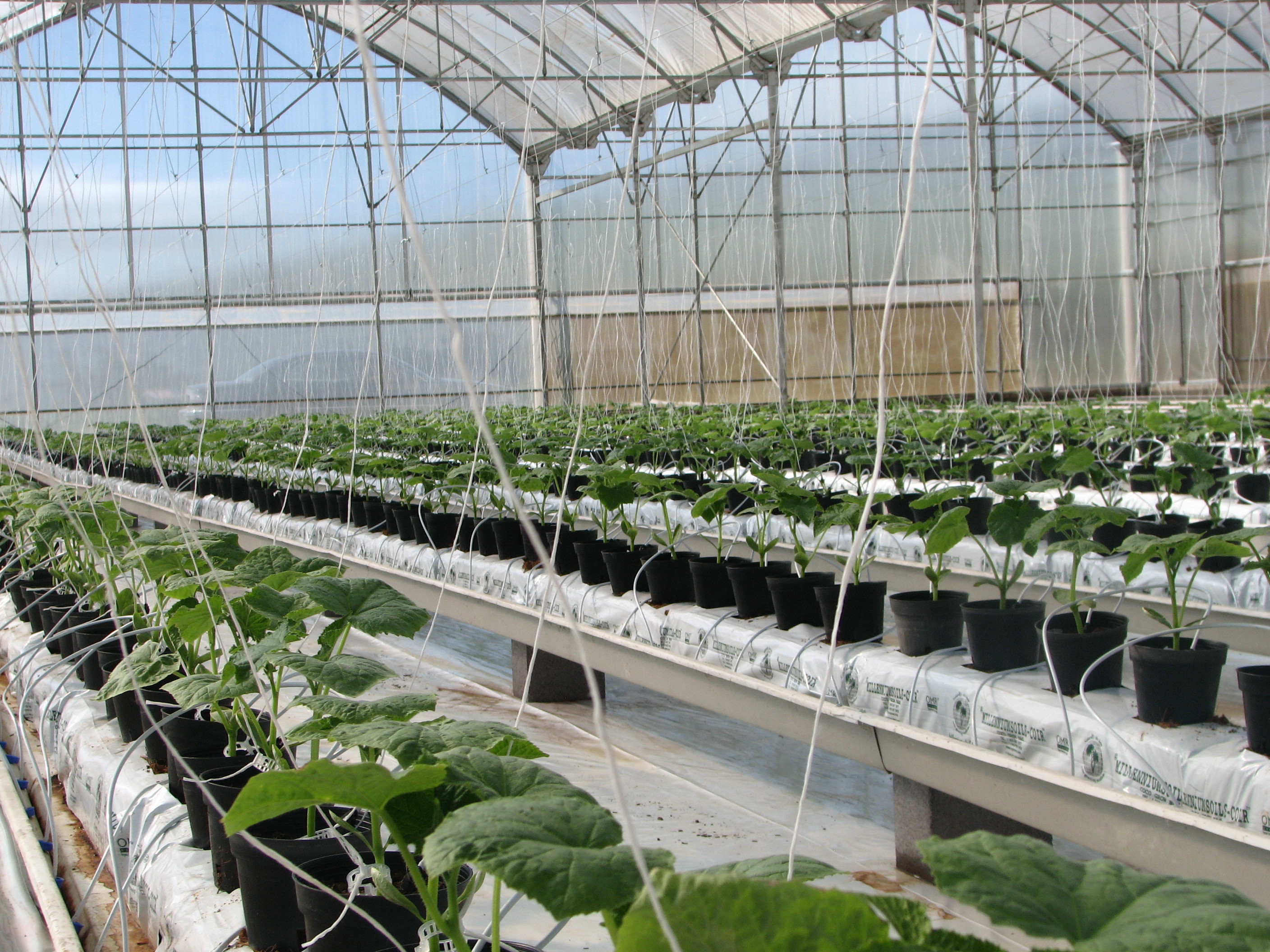
Greenhouse turnkey solutions refer to complete greenhouse systems designed to facilitate cultivation from start to finish. These solutions encompass everything from **design, construction, and installation** to operational technologies and ongoing support. With a turnkey solution, a farmer can acquire a fully functional greenhouse that integrates climate control, irrigation systems, and energy management—all tailored to their specific agricultural needs.
Key Components of Turnkey Solutions
1. **Structural Design**: Utilizing materials that enhance durability and energy efficiency, these structures are built to withstand environmental challenges.
2. **Climate Control Systems**: Advanced technologies manage temperature, humidity, and ventilation, ensuring optimal growing conditions.
3. **Irrigation and Nutrient Delivery**: Automated systems designed to deliver water and nutrients efficiently, reducing waste and increasing crop yield.
4. **Monitoring Systems**: Sensors and software that track environmental conditions and crop health in real-time, allowing for timely interventions.
5. **Sustainable Energy Solutions**: Integration of renewable energy sources, like solar panels, to reduce operational costs and carbon footprint.
The Benefits of Implementing Turnkey Solutions in Agriculture
Implementing greenhouse turnkey solutions presents a multitude of advantages for modern agriculture.
Enhanced Productivity and Efficiency
By using state-of-the-art technology and automation, farmers can significantly boost productivity. These solutions streamline operations, allowing for more effective resource management and minimizing labor costs.
Cost-Effectiveness
While the initial investment might seem substantial, greenhouse turnkey solutions tend to be cost-effective in the long run. They reduce resource waste and maximize yields, leading to higher profitability.
Customization and Scalability
Turnkey solutions can be customized to fit the specific needs of a farm. Moreover, they are scalable, enabling farmers to expand their operations as demand increases without extensive redesigns.
Technological Advancements Driving Greenhouse Solutions
The future of greenhouse turnkey solutions is being shaped by several key technological advancements:
Smart Technology Integration
The incorporation of **IoT (Internet of Things)** devices allows for comprehensive monitoring and management of greenhouse environments. Farmers can access real-time data and make informed decisions based on precise analytics.
Automated Systems
Automation in irrigation, climate control, and nutrient delivery systems reduces labor dependency and enhances efficiency. Automated systems help maintain consistent growing conditions, which is crucial for crop health.
Advanced Climate Control
Emerging technologies such as **high-performance glazing** and **insulation materials** are transforming climate control methods. These advancements help maintain optimal temperatures with minimal energy consumption.
Sustainability and Environmental Impact
Sustainability is at the forefront of modern agricultural practices, and greenhouse turnkey solutions contribute significantly to this goal.
Water Conservation Techniques
Modern irrigation systems are designed to minimize water usage. Techniques like drip irrigation and recirculation systems ensure that every drop is utilized effectively.
Reduced Chemical Dependency
With controlled environments, farmers can reduce or eliminate the need for chemical pesticides and fertilizers. Integrated pest management and organic practices become more feasible within a greenhouse setting.
Case Studies: Successful Implementations of Greenhouse Solutions
Real-world examples illustrate the effectiveness of greenhouse turnkey solutions:
Case Study 1: Urban Agriculture in New York City
A startup in NYC successfully implemented a rooftop greenhouse using a turnkey solution. By leveraging minimal space, they produced organic vegetables year-round while employing hydroponic techniques.
Case Study 2: Large Scale Production in California
A California-based farm adopted a comprehensive greenhouse system that increased production by 30%. Enhanced climate control and automation reduced labor costs, resulting in a quicker return on investment.
Challenges in Adopting Greenhouse Turnkey Solutions
While the benefits are compelling, several challenges may arise during the adoption of turnkey solutions.
Initial Financial Investment
The upfront costs can deter many farmers from transitioning to greenhouse operations. However, financial incentives and grants are increasingly available, easing this burden.
Technical Expertise Requirement
Operating advanced greenhouse systems requires a certain level of technical knowledge. Training and support from solution providers can mitigate this challenge.
The Future Outlook for Greenhouse Technology
Looking ahead, the future of greenhouse turnkey solutions appears promising. Innovations in technology, coupled with a strong push for sustainability, indicate a growing market for these systems.
Global Trends and Market Growth
The global demand for sustainable food production methods is driving market growth. Increasing investments in agricultural technology will further enhance the capabilities of greenhouse systems.
Potential for Vertical Farming Integration
As urban areas expand, the integration of vertical farming techniques within greenhouse solutions presents a new frontier for maximizing space and increasing production.
Conclusion
The rise of greenhouse turnkey solutions represents a transformative trend in agriculture. By combining technology with sustainable practices, these systems not only meet the growing food demands but also promote environmental stewardship. As we look to the future, the integration of innovative technologies and the emphasis on sustainability will undoubtedly shape the agricultural landscape for years to come.
Frequently Asked Questions
1. What is a greenhouse turnkey solution?
A greenhouse turnkey solution refers to a complete system that includes all necessary components for establishing and operating a greenhouse efficiently.
2. How do greenhouse turnkey solutions improve crop yield?
These solutions utilize advanced technologies for climate control, irrigation, and monitoring, which optimize growing conditions and enhance overall productivity.
3. Are greenhouse turnkey solutions cost-effective?
While the initial investment may be high, these solutions often lead to long-term savings through increased efficiency and reduced labor costs.
4. What role does sustainability play in greenhouse operations?
Greenhouse systems minimize resource waste and promote sustainable practices, such as water conservation and reduced chemical use.
5. Can I customize a greenhouse turnkey solution for my specific needs?
Yes, greenhouse turnkey solutions can be tailored to meet the unique requirements of individual farming operations.
Related Information
AI+ Agriculture: Discuss its present, challenges and future
Jun 18,2024
Causes and solutions of strawberry albino fruit
Jun 18,2024
Smart Greenhouse Global Opportunity Analysis and Industry, 2020-2027
Jun 18,2024
Industry Information
Your Reliable Supplier of Complete Greenhouse Solution
Empower Smart Agriculture, Nurture Green Life, Ensure Food Safety, Share A Better Life
CONTACT INFORMATION
Add: Room 2204, Building T1, No. 1-1 Taipei Road, Siming District, Xiamen, China
WhatsApp: +86 137 7467 8874
Email: Guniverse@guniver.com
All Rights Reserved © 2024 Guniverse Intelligent Agricultural Tech Co., Ltd.