
-
ABOUT US
-
-
-
Search HistoryClear All Records
- 全部
- 产品管理
- 新闻资讯
- 介绍内容
- 企业网点
- 常见问题
- 企业视频
- 企业图册
Aquaponics Greenhouses: The Future of Sustainable Farming
Release time:
Feb 26,2025
Aquaponics Greenhouses: The Future of Sustainable Farming
Table of Contents
- Understanding Aquaponics: A Holistic Approach to Farming
- How Aquaponics Greenhouses Work
- The Environmental Benefits of Aquaponics
- Key Components of an Aquaponics Greenhouse
- Choosing the Right Fish for Your Aquaponics System
- Common Plants Grown in Aquaponics Systems
- Challenges and Solutions in Aquaponics Farming
- The Future of Aquaponics in Sustainable Agriculture
- Frequently Asked Questions
Understanding Aquaponics: A Holistic Approach to Farming
Aquaponics represents a unique fusion of aquaculture and hydroponics, creating a sustainable ecosystem for food production. In this system, fish and plants are cultivated together in a controlled environment, where the waste produced by fish provides essential nutrients for plants, and the plants help purify the water for the fish. This symbiotic relationship mimics natural ecosystems, allowing for efficient resource use and minimal environmental impact.
How Aquaponics Greenhouses Work
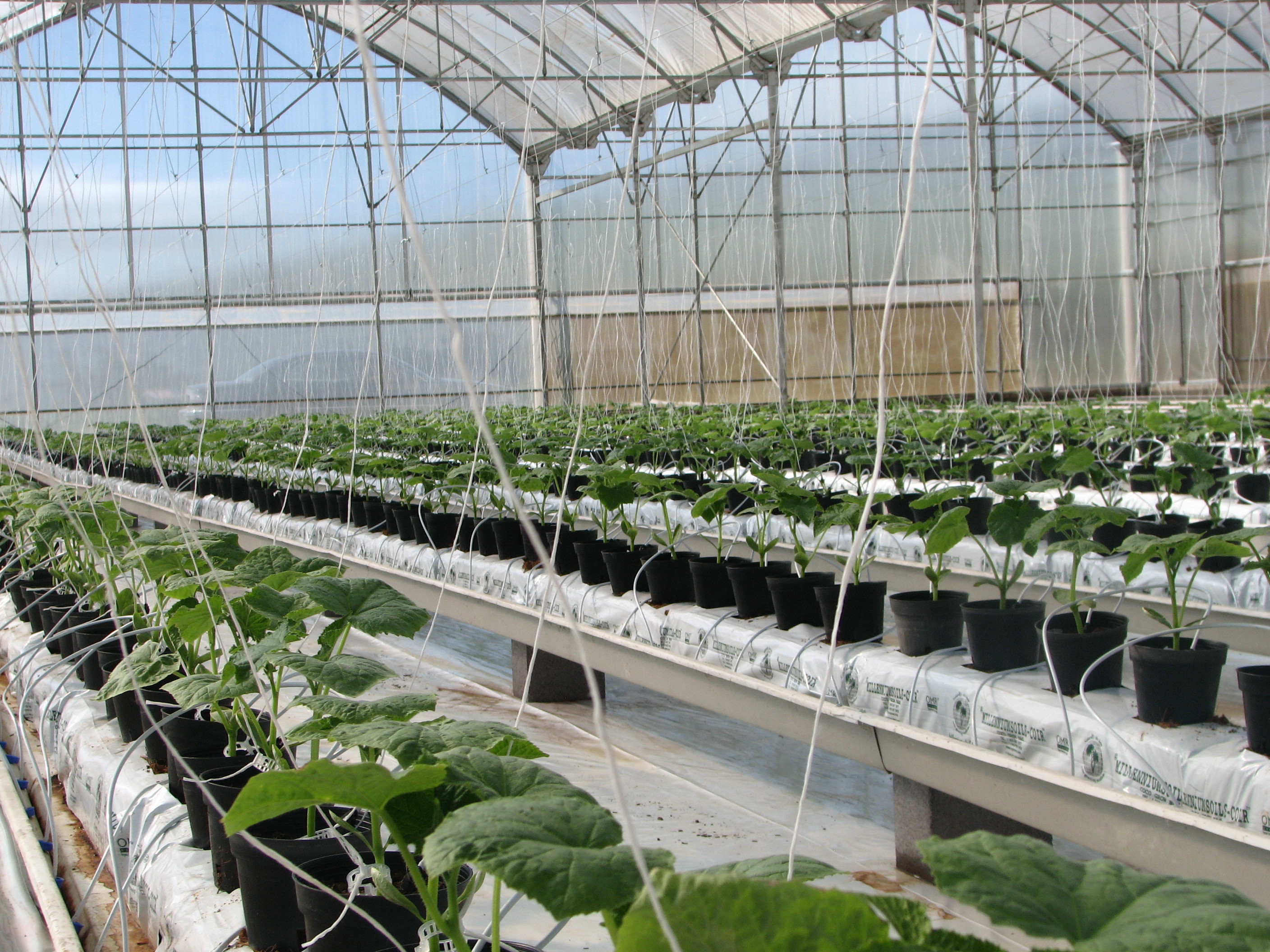
Aquaponics greenhouses utilize a series of interconnected tanks and grow beds to create a self-sustaining environment. The process begins with fish being raised in tanks, where they produce waste that is rich in ammonia. This waste water is then pumped to grow beds filled with soil or a soilless medium, where beneficial bacteria convert ammonia into nitrites and then nitrates, providing vital nutrients for the plants.
The clean, filtered water is then recirculated back to the fish tanks, completing the cycle. This closed-loop system significantly reduces water usage—up to 90% less than traditional farming methods—and minimizes the need for chemical fertilizers, making it an eco-friendly alternative.
The Environmental Benefits of Aquaponics
The adoption of aquaponics in farming presents numerous environmental benefits. Firstly, it promotes biodiversity by encouraging the cultivation of various plant species alongside fish, which can enhance ecosystem resilience. Secondly, aquaponics systems have a much smaller land footprint compared to traditional agriculture, allowing for food production in urban areas and regions with limited arable land.
Moreover, aquaponics is a water-efficient method of farming. By recycling water within the system, it reduces the overall demand on freshwater resources—a critical advantage in drought-prone areas. Lastly, aquaponics eliminates the need for synthetic pesticides and fertilizers, which can harm local ecosystems and waterways.
Key Components of an Aquaponics Greenhouse
To establish a successful aquaponics greenhouse, several key components are essential:
- Fish Tanks: The heart of the aquaponics system, where fish are raised and nutrients are produced.
- Grow Beds: These hold the plants and are typically filled with a growing medium. They can vary in design, such as flood-and-drain, deep water culture, or nutrient film technique.
- Pumps and Filtration Systems: Necessary for circulating water between the fish tanks and grow beds, ensuring a continuous flow of clean water.
- Air Pumps and Aeration Devices: These maintain optimal oxygen levels in the water, critical for fish health and plant growth.
- Monitoring Equipment: Tools for measuring water quality parameters, such as pH, ammonia, nitrite, and nitrate levels, to ensure a balanced ecosystem.
Choosing the Right Fish for Your Aquaponics System
The selection of fish is crucial for the success of an aquaponics system. Common choices include:
- Tilapia: Known for their hardiness and fast growth rates, tilapia are a popular choice for aquaponics.
- Catfish: Resilient and adaptable, catfish thrive in various environments and are well-suited for aquaponics.
- Trout: Ideal for cooler climates, trout require well-oxygenated water and can be a good option for outdoor systems.
- Goldfish: Often used in smaller systems or educational settings, goldfish can also serve as a decorative element.
When selecting fish, consider factors such as growth rate, water temperature preferences, and compatibility with local regulations. Additionally, it's essential to ensure that the chosen fish species can coexist harmoniously with the plants being cultivated.
Common Plants Grown in Aquaponics Systems
Aquaponics systems can support a variety of plant species. Some of the most commonly grown plants include:
- Leafy Greens: Lettuce, spinach, and kale thrive in aquaponics due to their quick growth cycles and minimal nutrient requirements.
- Herbs: Basil, mint, and oregano flourish in aquaponic environments, providing aromatic flavors for culinary use.
- Fruiting Plants: Tomatoes, cucumbers, and peppers can be successfully cultivated, though they require more nutrients and care compared to leafy greens.
Choosing the right plants depends on the specific goals of the aquaponics system, as well as the market demand and growing conditions.
Challenges and Solutions in Aquaponics Farming
Despite its numerous advantages, aquaponics farming does come with challenges. Some common issues include:
- Water Quality Management: Maintaining optimal water quality can be challenging but is critical for the health of both fish and plants. Regular testing and monitoring can help manage this.
- System Design: A well-designed system is essential for success. Poor design can lead to inefficiencies and reduced productivity. Investing in quality equipment and planning can mitigate these issues.
- Fish and Plant Compatibility: Ensuring that the chosen fish and plants can coexist is crucial. Researching compatible species and their environmental needs can help address this challenge.
By understanding and addressing these challenges, aquaponics farmers can create efficient, productive systems that contribute to sustainable agriculture.
The Future of Aquaponics in Sustainable Agriculture
The future of aquaponics looks promising as the world grapples with the challenges of climate change, food security, and environmental degradation. With advancements in technology, such as automated monitoring systems and improved fish breeding techniques, aquaponics is poised to become a vital player in sustainable farming practices.
As urban populations continue to rise, aquaponics offers a viable solution for local food production, reducing transportation emissions and ensuring fresh produce is available year-round. Furthermore, education and awareness surrounding aquaponics are increasing, leading to more individuals and communities embracing this innovative farming technique.
Frequently Asked Questions
1. What are the primary benefits of aquaponics over traditional farming?
Aquaponics offers a range of benefits, including reduced water usage, no need for chemical fertilizers or pesticides, and the ability to grow food in limited spaces.
2. Can aquaponics be practiced indoors?
Yes, aquaponics can be successfully set up indoors, making it an ideal option for urban environments where space is limited.
3. Is aquaponics suitable for all types of fish and plants?
While many fish and plant species can thrive in aquaponics systems, compatibility depends on factors like water temperature and nutrient requirements. Research is essential before selection.
4. How much space is needed for a home aquaponics system?
The space needed for an aquaponics system varies based on design and scale. Small systems can be set up in a few square feet, while larger systems may require more space for optimal production.
5. What initial investment is required for setting up an aquaponics system?
The initial investment can vary widely, depending on system size, equipment quality, and whether it's a DIY or commercially purchased setup. On average, starting a small home system may cost anywhere from a few hundred to several thousand dollars.
Conclusion
Aquaponics greenhouses represent an exciting frontier in sustainable farming. By harnessing the power of nature and technology, they create a sustainable food production system that conserves resources while providing fresh, nutritious food. As we move forward, embracing aquaponics can help us address pressing agricultural challenges, promote biodiversity, and foster a healthier planet for future generations. Investing in this innovative approach to farming not only supports individual food security but also contributes to broader environmental sustainability goals.
Related Information
AI+ Agriculture: Discuss its present, challenges and future
Jun 18,2024
Causes and solutions of strawberry albino fruit
Jun 18,2024
Smart Greenhouse Global Opportunity Analysis and Industry, 2020-2027
Jun 18,2024
Industry Information
Your Reliable Supplier of Complete Greenhouse Solution
Empower Smart Agriculture, Nurture Green Life, Ensure Food Safety, Share A Better Life
CONTACT INFORMATION
Add: Room 2204, Building T1, No. 1-1 Taipei Road, Siming District, Xiamen, China
WhatsApp: +86 137 7467 8874
Email: Guniverse@guniver.com
All Rights Reserved © 2024 Guniverse Intelligent Agricultural Tech Co., Ltd.