
-
ABOUT US
-
-
-
Search HistoryClear All Records
- 全部
- 产品管理
- 新闻资讯
- 介绍内容
- 企业网点
- 常见问题
- 企业视频
- 企业图册
Transform Your Gardening: Why a New Blackout Greenhouse is Essential for Optimal Growth
Release time:
Jul 09,2025
Transform Your Gardening: Why a New Blackout Greenhouse is Essential for Optimal Growth
Table of Contents
- Introduction to Blackout Greenhouses
- The Benefits of Using a Blackout Greenhouse
- Key Features of a Blackout Greenhouse
- Best Cultivation Techniques for Blackout Greenhouses
- Comparing Blackout Greenhouses to Traditional Greenhouses
- Cost-Effectiveness of Investing in a Blackout Greenhouse
- Maintenance Tips for Your Blackout Greenhouse
- Conclusion
- Frequently Asked Questions
Introduction to Blackout Greenhouses
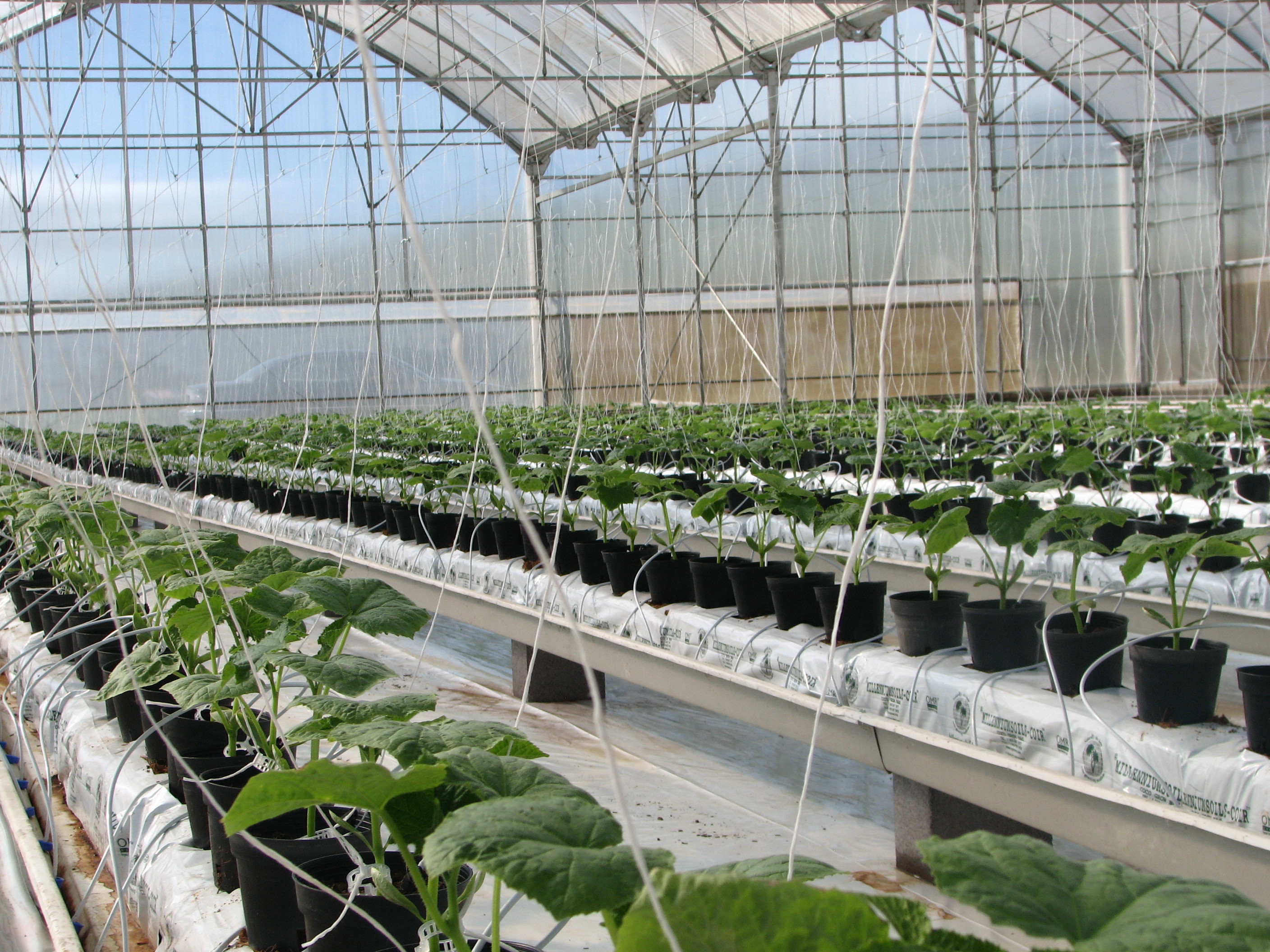
In the world of modern agriculture, **blackout greenhouses** have emerged as essential tools for both professional farmers and gardening enthusiasts. These specialized structures utilize advanced technology to manage light exposure, creating optimal conditions for plant growth. As gardeners, we recognize that light is one of the most crucial factors in plant development. **Blackout greenhouses** offer innovative solutions to control light levels, pivotal for cultivating high-quality produce throughout the year.
This article delves into the advantages of implementing a blackout greenhouse in your gardening practices, highlights essential features to consider when selecting one, and provides insights into effective cultivation techniques tailored for these specialized structures.
The Benefits of Using a Blackout Greenhouse
Maximizing the advantage of a **blackout greenhouse** can transform your gardening experience in various ways. Let’s explore some of the key benefits you can expect.
Enhanced Light Control
One of the primary advantages of a blackout greenhouse is its ability to control light exposure. By significantly reducing the amount of natural sunlight reaching your plants, you can simulate the optimal lighting conditions required for specific growth stages. This is particularly useful for cultivating plants sensitive to light fluctuations, such as those that require transitional periods of darkness.
By implementing blackout curtains or films, you can easily regulate the amount of light your plants receive, promoting healthier growth, increased yield, and even the ability to grow certain crops out of season. This level of control allows for more precise management of your planting schedule and crop rotations, leading to a more productive gardening experience.
Better Temperature Regulation
Temperature management is critical for successful gardening. Blackout greenhouses help regulate internal temperatures by reducing heat buildup from excessive sunlight. They maintain a cooler environment during hot days and can help retain warmth during colder nights. This stability is vital for fostering a suitable climate for plant growth.
Additionally, many blackout greenhouses come equipped with thermal insulation materials, enhancing temperature control further. This feature not only supports the health of your plants but also reduces the energy needed for heating systems, making it eco-friendlier and more cost-effective.
Effective Pest Management
A less obvious yet significant benefit of using a blackout greenhouse is its role in pest management. The controlled environment limits the entry of pests and harmful insects, essentially lowering the risk of infestations. With fewer pests to contend with, you can minimize the use of chemical pesticides, promoting a more organic and sustainable gardening approach.
Moreover, the ability to effectively manage humidity levels inside the greenhouse can also deter mold and fungal diseases, keeping your plants healthy and robust.
Key Features of a Blackout Greenhouse
When considering a blackout greenhouse, certain features are vital for ensuring maximum efficiency and effectiveness in your gardening endeavors.
Material Quality and Durability
The materials used in constructing a blackout greenhouse should be of the highest quality to withstand the elements. Look for structures made from robust, UV-resistant materials that maintain their structural integrity over time. Polycarbonate panels or heavy-duty polyethylene fabrics are excellent options for blackout greenhouses, as they provide both durability and effective light-blocking capabilities.
Ventilation and Climate Control
Proper ventilation is crucial in maintaining a balanced environment within your greenhouse. Ensure that your chosen blackout greenhouse is equipped with adjustable vents, exhaust fans, and intake systems to facilitate air circulation. This feature prevents overheating and promotes healthy plant development, making it easier to maintain optimal humidity and temperature levels.
Best Cultivation Techniques for Blackout Greenhouses
To optimize your gardening efforts within a blackout greenhouse, consider employing specific cultivation techniques tailored for this environment.
1. **Adjusting Light Cycles**: Utilize timers and light sensors to control the exposure periods for your plants, ensuring they receive the proper duration of light and darkness for their growth stages.
2. **Soil Management**: Implement soil amendments to enhance nutrient retention and optimize the growing medium for your plants. Regular soil testing can help you maintain the appropriate nutrient levels.
3. **Hydroponics and Vertical Gardening**: Consider modern cultivation practices like hydroponics or vertical gardening systems, which can maximize space within your greenhouse while improving overall yield.
4. **Crop Rotation**: Rotate crops strategically to prevent soil depletion and maintain a balanced ecosystem within your greenhouse.
5. **Integrated Pest Management**: Utilize biological pest control methods and companion planting to enhance pest management naturally.
Comparing Blackout Greenhouses to Traditional Greenhouses
Understanding the differences between blackout greenhouses and traditional greenhouses can help you make an informed decision for your gardening needs.
- **Light Control**: Blackout greenhouses provide superior light management capabilities compared to traditional greenhouses, allowing for greater flexibility in growing seasons.
- **Temperature Control**: The thermal properties of blackout greenhouses enable better temperature regulation, while traditional greenhouses may struggle with excessive heat during peak sunlight.
- **Pest Management**: Blackout greenhouses offer enhanced pest control due to reduced light access, whereas traditional greenhouses may face higher insect populations.
While traditional greenhouses serve as a viable option for many gardeners, the added benefits of blackout greenhouses make them an appealing choice for those serious about optimizing their gardening practices.
Cost-Effectiveness of Investing in a Blackout Greenhouse
The initial investment in a blackout greenhouse may be higher than that of a traditional greenhouse, but the long-term savings make it a cost-effective choice.
1. **Reduced Energy Costs**: Lower heating and cooling costs, thanks to better temperature control, can lead to significant savings over time.
2. **Increased Yield**: By maximizing plant growth and health, you can increase your overall yield, thus improving your return on investment.
3. **Minimal Pest Management Expenses**: With fewer pests and diseases to manage, the costs associated with pesticides and treatments decrease significantly.
Overall, investing in a blackout greenhouse is an efficient choice for gardeners looking to maximize their output while minimizing costs.
Maintenance Tips for Your Blackout Greenhouse
To ensure your blackout greenhouse operates effectively for years to come, adhere to these maintenance tips:
- **Regular Cleaning**: Keep the exterior and interior surfaces clean to allow for maximum light absorption and prevent algae or mold buildup.
- **Inspect for Damage**: Regularly check for any signs of wear and tear, particularly around seams and entry points. Repair any damage immediately to prevent further issues.
- **Monitor Temperature and Humidity**: Use thermometers and hygrometers to track the internal environment, adjusting ventilation as necessary.
- **Prune and Care for Plants**: Regularly prune your plants to promote healthy growth and enhance air circulation.
Conclusion
In conclusion, a **blackout greenhouse** is an essential investment for any serious gardener looking to elevate their gardening practices. By providing enhanced control over light and temperature, effective pest management, and the ability to cultivate crops year-round, these structures can significantly improve your gardening experience. With careful consideration of the key features and proper maintenance, your blackout greenhouse can become a thriving environment for your plants, resulting in abundant yields and healthier crops.
Frequently Asked Questions
1. What is a blackout greenhouse?
A blackout greenhouse is a specialized structure designed to control light exposure for plants, utilizing blackout materials to reduce sunlight and improve growing conditions.
2. How does a blackout greenhouse improve plant growth?
By managing light levels, temperature, and humidity, a blackout greenhouse creates optimal conditions for plant growth, resulting in healthier, more productive crops.
3. Can I grow all types of plants in a blackout greenhouse?
While many plants thrive in a blackout greenhouse, it's essential to research specific light and care requirements for each plant species to ensure successful growth.
4. Are blackout greenhouses more expensive than traditional ones?
Yes, they typically have a higher initial cost due to specialized materials and technology; however, they offer long-term savings through reduced energy costs and increased yields.
5. What maintenance is required for a blackout greenhouse?
Regular cleaning, inspection for damage, monitoring of temperature and humidity, and care of the plants are crucial for maintaining a blackout greenhouse effectively.
Related Information
AI+ Agriculture: Discuss its present, challenges and future
Jun 18,2024
Causes and solutions of strawberry albino fruit
Jun 18,2024
Smart Greenhouse Global Opportunity Analysis and Industry, 2020-2027
Jun 18,2024
Industry Information
Your Reliable Supplier of Complete Greenhouse Solution
Empower Smart Agriculture, Nurture Green Life, Ensure Food Safety, Share A Better Life
CONTACT INFORMATION
Add: Room 2204, Building T1, No. 1-1 Taipei Road, Siming District, Xiamen, China
WhatsApp: +86 137 7467 8874
Email: Guniverse@guniver.com
All Rights Reserved © 2024 Guniverse Intelligent Agricultural Tech Co., Ltd.