
-
ABOUT US
-
-
-
Search HistoryClear All Records
- 全部
- 产品管理
- 新闻资讯
- 介绍内容
- 企业网点
- 常见问题
- 企业视频
- 企业图册
Discover the Secrets of Successful Gardening with Affordable Polythene Greenhouses
Release time:
Jul 11,2025
Discover the Secrets of Successful Gardening with Cheap Polythene Greenhouses
Table of Contents
- Introduction to Polythene Greenhouses
- Benefits of Using Polythene Greenhouses
- Choosing the Right Polythene Greenhouse
- Setting Up Your Polythene Greenhouse
- Maximizing Growth in Polythene Greenhouses
- Effective Gardening Techniques for Greenhouses
- Maintenance Tips for Longevity
- Cost-Effective Options for Gardening Supplies
- Conclusion
- FAQs about Polythene Greenhouses
Introduction to Polythene Greenhouses
Polythene greenhouses have revolutionized the gardening landscape by offering an affordable solution for extending growing seasons and improving plant health. With their transparent, UV-resistant structure, these greenhouses create a controlled environment that is ideal for nurturing various plants, vegetables, and flowers. In this article, we will delve into the myriad benefits of polythene greenhouses, and how to set them up for success in your own garden.
Benefits of Using Polythene Greenhouses
1. Enhanced Temperature Control
One of the primary advantages of polythene greenhouses is their ability to regulate temperature effectively. During colder months, the structure traps heat, creating a warm microclimate that is conducive to plant growth. By controlling the internal temperature, gardeners can cultivate a variety of plants throughout the year, thus maximizing productivity.
2. Protection from Environmental Elements
Polythene greenhouses provide a barrier against harsh weather conditions such as wind, hail, and excessive rainfall. This protection allows plants to thrive without the stress of unpredictable weather, leading to healthier growth and better yields.
3. Increased Light Penetration
The transparent nature of polythene allows for optimal light penetration, essential for photosynthesis. This characteristic ensures that plants receive adequate sunlight, contributing to vigorous growth and a bountiful harvest.
4. Cost-Effectiveness
Compared to traditional glass greenhouses, polythene greenhouses are significantly more affordable. Their lightweight construction makes them easy to assemble and relocate, offering flexibility for gardeners without compromising on quality.
5. Pest and Disease Management
By enclosing plants within a polythene greenhouse, gardeners can minimize the risk of pest infestations and plant diseases. This containment allows for better management of plant health and reduces the need for chemical treatments.
Choosing the Right Polythene Greenhouse
1. Size Considerations
When selecting a polythene greenhouse, consider the space available in your garden. Choose a size that accommodates your gardening plans without overcrowding. A well-sized greenhouse allows for better air circulation and easier access to plants.
2. Frame Material
The frame of your polythene greenhouse plays a crucial role in its durability. Common materials include aluminum, galvanized steel, and PVC. Aluminum frames are lightweight and resistant to corrosion, while galvanized steel offers sturdiness. PVC is often the most affordable but may not withstand extreme weather as well.
3. Thickness of Polythene
Opt for high-quality, UV-stabilized polythene with a thickness of at least 150 microns. Thicker material provides better insulation and durability, ensuring it can withstand the elements for multiple growing seasons.
4. Ventilation Options
Effective ventilation is essential for maintaining a healthy environment inside your greenhouse. Look for models with adjustable vents or the option to install fans to ensure proper airflow, preventing overheating and humidity accumulation.
Setting Up Your Polythene Greenhouse
1. Selecting the Location
Choose a location for your greenhouse that receives ample sunlight and is sheltered from strong winds. Ideally, a south-facing spot maximizes sunlight exposure, which is crucial for plant growth.
2. Preparing the Ground
Clear the site of debris, rocks, and weeds. Level the ground to create a stable base for your greenhouse. Consider laying a foundation of gravel or paving stones to prevent water pooling and improve drainage.
3. Assembly Instructions
Follow the manufacturer's assembly instructions closely. Ensure that all components fit securely and that the structure is stable. If possible, seek assistance to handle larger panels during assembly.
4. Installing Heating Systems
If you live in a colder climate, consider investing in a heating system to maintain a consistent temperature within your greenhouse. Electric heaters or propane options can provide the necessary warmth during frosty months.
Maximizing Growth in Polythene Greenhouses
1. Soil Quality and Fertility
Start with quality soil that is rich in organic matter. Conduct a soil test to determine pH levels and nutrient content. Amend the soil as necessary to create an optimal growing environment for your plants.
2. Proper Watering Techniques
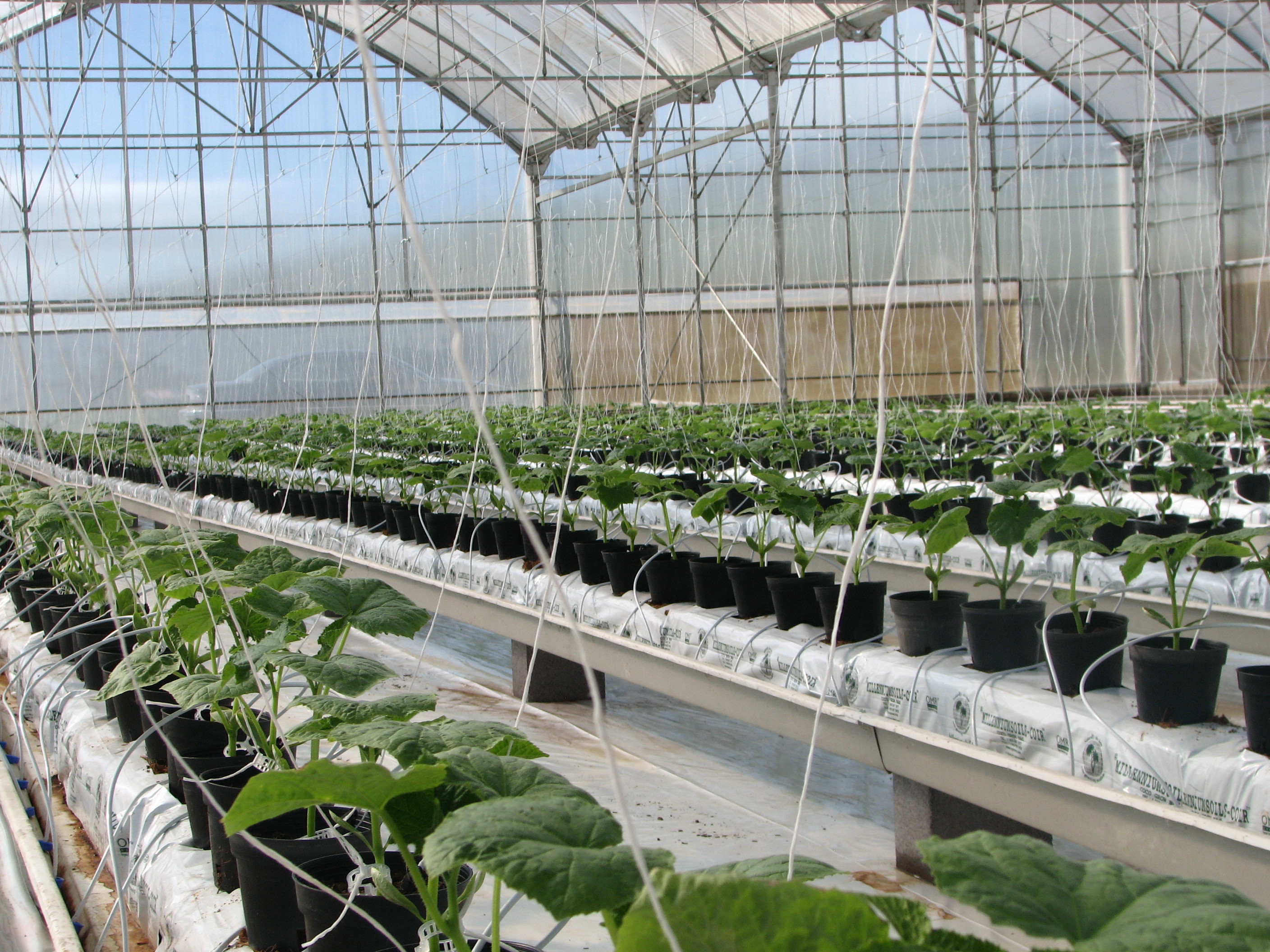
Implement a consistent watering schedule that ensures soil remains moist but not waterlogged. Consider using drip irrigation or soaker hoses for efficient water delivery to the roots.
3. Utilizing Companion Planting
Companion planting can enhance plant growth and deter pests. Research which plants thrive together and consider incorporating them into your greenhouse for a more productive garden.
4. Implementing Crop Rotation
Rotate crops annually to prevent nutrient depletion and reduce pest buildup. This practice maintains soil health and promotes a balanced ecosystem within your greenhouse.
Effective Gardening Techniques for Greenhouses
1. Vertical Gardening
Maximize space by utilizing vertical gardening techniques. Consider trellises, hanging pots, and wall planters to grow climbing plants, which frees up ground space for other crops.
2. Hydroponics and Aquaponics
Explore hydroponics or aquaponics systems for soil-less gardening. These innovative methods can yield faster growth rates and higher productivity, making them ideal for polythene greenhouses.
3. Regular Monitoring
Keep a close eye on plant health by regularly monitoring for signs of stress, disease, or pest issues. Early detection allows for timely intervention and enhances the overall success of your gardening efforts.
Maintenance Tips for Longevity
1. Seasonal Inspections
Conduct seasonal inspections to ensure that the structure remains sound and free from damage. Check for tears in the polythene and repair them promptly to maintain insulation and protection.
2. Cleaning the Greenhouse
Keep the interior clean by removing dead leaves, weeds, and debris regularly. This practice helps prevent disease and creates a more inviting environment for your plants.
3. Winter Preparations
Before winter arrives, take steps to prepare your greenhouse for colder months. Consider adding insulation or using thermal blankets to retain heat and protect delicate plants from frost.
Cost-Effective Options for Gardening Supplies
1. DIY Solutions
Explore DIY solutions for gardening supplies, such as building your own planters or compost bins. This approach can save money while allowing for customization based on your gardening needs.
2. Bulk Purchasing
Purchase soil, seeds, and fertilizers in bulk to reduce costs. Collaborate with local gardening communities to share resources and make the most of your investments.
3. Using Recycled Materials
Incorporate recycled materials into your gardening practices. Old containers, pallets, and bottles can be repurposed as planters or compost bins, contributing to a sustainable gardening approach.
Conclusion
In conclusion, polythene greenhouses serve as a powerful tool for gardeners seeking to enhance their gardening experience without breaking the bank. By understanding their benefits, selecting the right model, and implementing effective gardening techniques, anyone can cultivate a thriving garden environment. With careful planning and maintenance, your polythene greenhouse can yield exceptional results year-round, allowing you to enjoy the fruits of your labor for many seasons to come.
FAQs about Polythene Greenhouses
1. How long does a polythene greenhouse last?
Typically, a polythene greenhouse can last between 4 to 7 years, depending on the quality of the material and maintenance practices.
2. Can I use a polythene greenhouse year-round?
Yes, with proper heating and insulation, polythene greenhouses can be used year-round to grow a variety of plants.
3. What types of plants are best suited for polythene greenhouses?
Vegetables, herbs, and flowers all thrive in polythene greenhouses. Popular choices include tomatoes, cucumbers, peppers, and leafy greens.
4. Are polythene greenhouses easy to assemble?
Most polythene greenhouses are designed for easy assembly, often requiring minimal tools and basic instructions.
5. How do I prevent condensation inside my polythene greenhouse?
Ensure proper ventilation by using vents or fans to circulate air. Additionally, avoid overcrowding plants to promote airflow, reducing condensation buildup.
Related Information
AI+ Agriculture: Discuss its present, challenges and future
Jun 18,2024
Causes and solutions of strawberry albino fruit
Jun 18,2024
Smart Greenhouse Global Opportunity Analysis and Industry, 2020-2027
Jun 18,2024
Industry Information
Your Reliable Supplier of Complete Greenhouse Solution
Empower Smart Agriculture, Nurture Green Life, Ensure Food Safety, Share A Better Life
CONTACT INFORMATION
Add: Room 2204, Building T1, No. 1-1 Taipei Road, Siming District, Xiamen, China
WhatsApp: +86 137 7467 8874
Email: Guniverse@guniver.com
All Rights Reserved © 2024 Guniverse Intelligent Agricultural Tech Co., Ltd.