Understanding Advanced Galvanized Steel Greenhouses: A Durable Solution for Modern Agriculture
Release time:
Sep 14,2025
Summary:Advanced galvanized steel greenhouses are engineered to provide long-lasting durability and resilience against environmental factors. The galvanization process involves coating steel with a layer of zinc, which acts as a protective barrier against rust and corrosion. This feature is particularly beneficial in regions with high humidity or exposure to harsh weather conditions. By using galvanized s
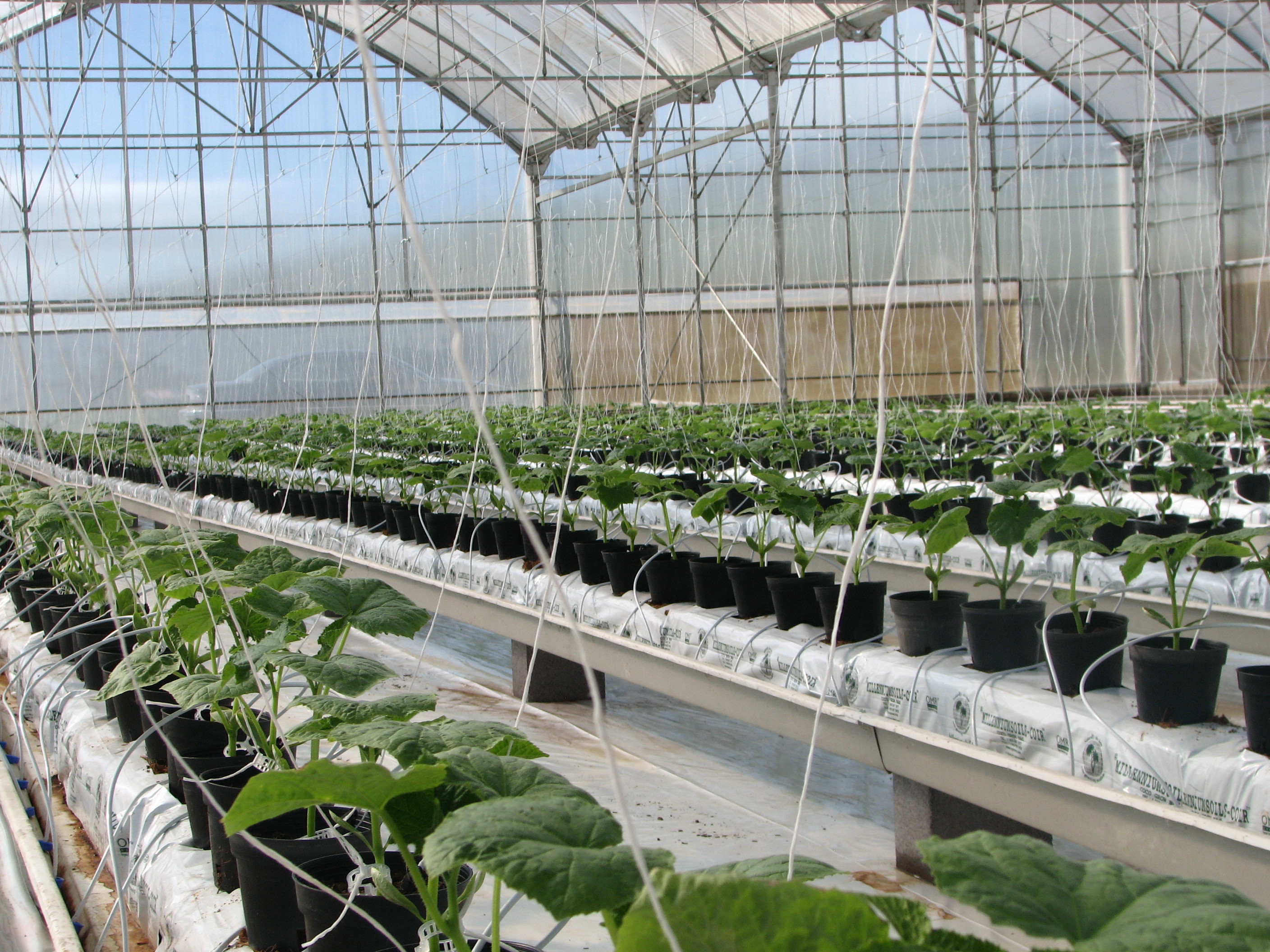
Advanced galvanized steel greenhouses are engineered to provide long-lasting durability and resilience against environmental factors. The galvanization process involves coating steel with a layer of zinc, which acts as a protective barrier against rust and corrosion. This feature is particularly beneficial in regions with high humidity or exposure to harsh weather conditions. By using galvanized steel, growers can ensure that their greenhouse structures maintain structural integrity over time, reducing the need for frequent repairs or replacements.
One of the key advantages of advanced galvanized steel greenhouses is their excellent strength-to-weight ratio. This means that while the materials are robust enough to withstand external pressures, they are also lightweight, making installation and modifications relatively easy. This flexibility allows farmers to adapt their greenhouse designs according to specific crop requirements or seasonal changes, enhancing the overall efficiency of their agricultural operations.
In addition to durability and strength, advanced galvanized steel greenhouses can significantly improve energy efficiency. The reflective properties of galvanized steel help in managing internal temperatures, which is crucial for maintaining an optimal growing environment. By minimizing heat loss during colder months and reducing overheating in warmer seasons, growers can achieve better energy management and lower operational costs.
Moreover, these greenhouses are designed to support various climate control systems, such as heating, cooling, and ventilation. This adaptability ensures that crops receive the necessary light and air circulation, further promoting healthy growth. By integrating advanced technology with galvanized steel structures, farmers can create a controlled microclimate that caters specifically to the needs of their plants.
Sustainability is another important aspect to consider when discussing advanced galvanized steel greenhouses. The longevity of galvanized steel means that these structures can last for decades, reducing the environmental impact associated with frequent replacements. Additionally, many growers are now incorporating eco-friendly practices into their operations, such as rainwater harvesting and solar energy utilization, which can be seamlessly integrated into a galvanized steel greenhouse design.
In conclusion, advanced galvanized steel greenhouses present an innovative and efficient solution for modern agriculture. With their durability, energy efficiency, and potential for sustainability, they cater to the evolving needs of growers looking to maximize their productivity while minimizing environmental impact. As the demand for high-quality, locally sourced produce continues to grow, investing in advanced greenhouse technology could be a prudent step for any agricultural operation aiming for success.
Related Information
AI+ Agriculture: Discuss its present, challenges and future
With the development and popularization of artificial intelligence (AI) technology, the agricultural industry is ushering in a new change, and agriculture has gradually transformed from a traditional labor-intensive industry to a high-tech industry.
Jun 18,2024
Causes and solutions of strawberry albino fruit
Strawberry albino fruit is a very common physiological disease on strawberries. Strawberry albino fruit generally small fruit, fruit ripening after chlorosis can not be colored normally.
Jun 18,2024
Smart Greenhouse Global Opportunity Analysis and Industry, 2020-2027
Smart greenhouse is a farming technique, which helps user to monitor and control the growth condition of the plant and to optimize the growing process of the plants.
Jun 18,2024
Industry Information