Unlocking the Potential of High Tunnel Greenhouses in Agriculture
Release time:
Nov 26,2025
Summary:High tunnel greenhouses, also known as hoop houses, are an innovative agricultural solution that has gained popularity among farmers looking to optimize their crop production. These structures, typically made of a series of metal or plastic arches covered with a durable plastic film, serve as a protective barrier for plants, shielding them from harsh weather, pests, and diseases. Unlike traditiona
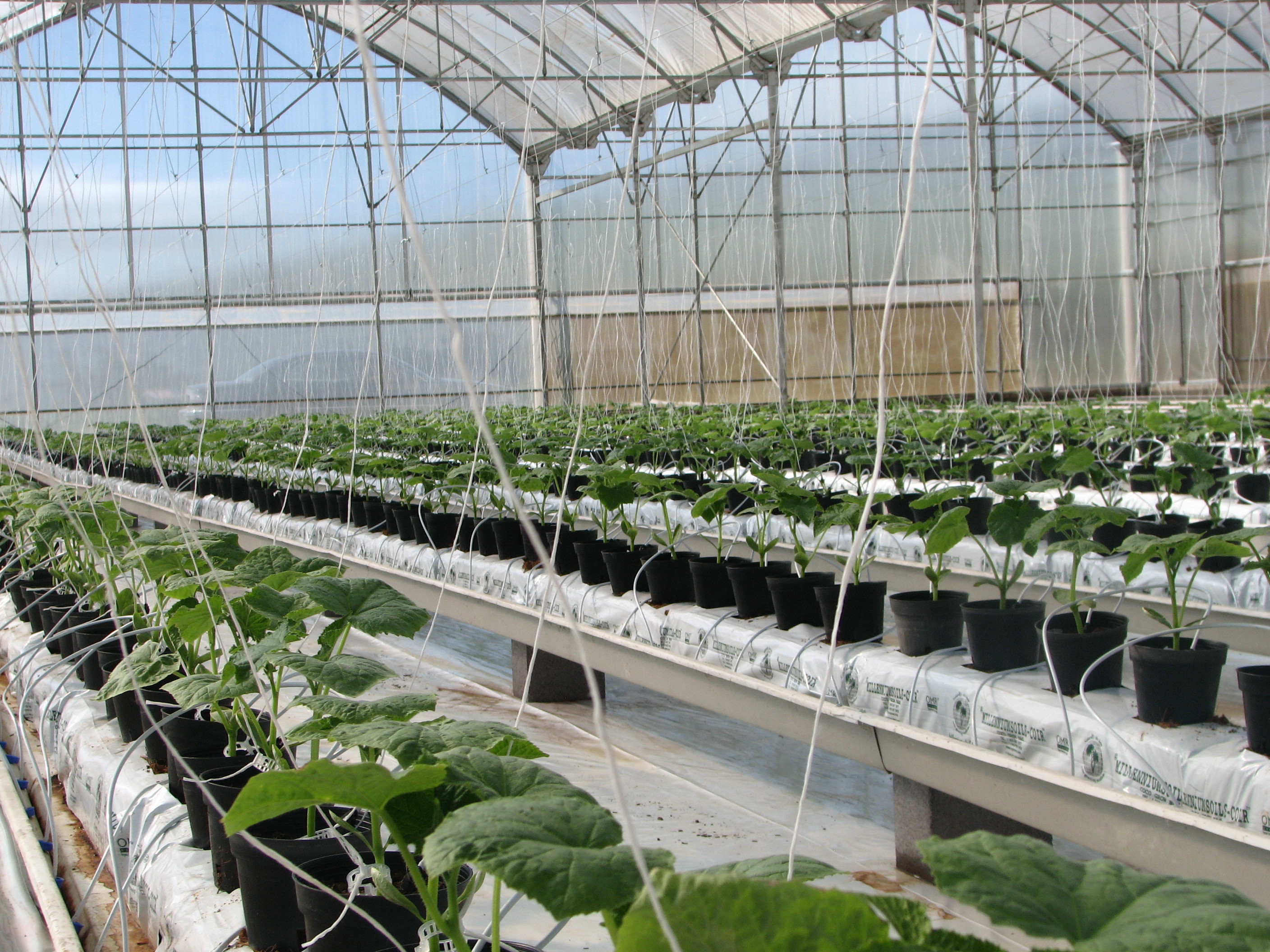
High tunnel greenhouses, also known as hoop houses, are an innovative agricultural solution that has gained popularity among farmers looking to optimize their crop production. These structures, typically made of a series of metal or plastic arches covered with a durable plastic film, serve as a protective barrier for plants, shielding them from harsh weather, pests, and diseases. Unlike traditional greenhouses, high tunnel greenhouses rely primarily on passive solar energy for temperature regulation, making them a cost-effective option for growers.
One of the primary benefits of high tunnel greenhouses is their ability to extend the growing season. By providing a controlled environment, farmers can start planting earlier in the spring and continue harvesting later into the fall. This extended season allows for multiple crop cycles within a single year, significantly increasing overall productivity. For instance, vegetables like tomatoes, peppers, and cucumbers can be grown much earlier and later than in open field conditions, often resulting in higher market prices due to off-season availability.
In addition to extending the growing season, high tunnels can also improve crop yields. The protective nature of these structures reduces the risk of crop loss due to extreme weather events, such as heavy rain, frost, or high winds. Furthermore, they offer a favorable environment for plants, allowing for better temperature and humidity management. This not only enhances plant growth but also contributes to improved fruit quality, flavor, and nutritional value.
The design of high tunnel greenhouses also allows for efficient water management. Farmers can implement drip irrigation systems inside these structures, reducing water waste and ensuring that plants receive the right amount of moisture. This is particularly crucial in regions experiencing water scarcity, where efficient use of resources can make a significant difference in crop viability.
Moreover, high tunnel greenhouses can play a vital role in sustainable agriculture. By minimizing the need for chemical pesticides and fertilizers—thanks to the protective barrier they provide—high tunnels promote environmentally friendly farming practices. Additionally, they can facilitate organic farming by creating ideal conditions for beneficial insects and pollinators to thrive.
Despite the numerous advantages, it's important to consider maintenance and operational practices when investing in high tunnel greenhouses. Regular monitoring of temperature, humidity, and soil conditions is crucial for optimal plant growth. Farmers should also ensure proper ventilation and airflow to prevent issues such as mold or disease, which can arise in a humid environment.
In conclusion, high tunnel greenhouses represent a valuable asset in modern agriculture. By extending the growing season, increasing crop yields, and promoting sustainable practices, they offer significant benefits for farmers. As the demand for locally grown produce continues to rise, investing in high tunnel greenhouses may be a strategic move for those looking to enhance their agricultural operations.
Related Information
AI+ Agriculture: Discuss its present, challenges and future
With the development and popularization of artificial intelligence (AI) technology, the agricultural industry is ushering in a new change, and agriculture has gradually transformed from a traditional labor-intensive industry to a high-tech industry.
Jun 18,2024
Causes and solutions of strawberry albino fruit
Strawberry albino fruit is a very common physiological disease on strawberries. Strawberry albino fruit generally small fruit, fruit ripening after chlorosis can not be colored normally.
Jun 18,2024
Smart Greenhouse Global Opportunity Analysis and Industry, 2020-2027
Smart greenhouse is a farming technique, which helps user to monitor and control the growth condition of the plant and to optimize the growing process of the plants.
Jun 18,2024
Industry Information