
-
ABOUT US
-
-
-
Search HistoryClear All Records
- 全部
- 产品管理
- 新闻资讯
- 介绍内容
- 企业网点
- 常见问题
- 企业视频
- 企业图册
Transform Your Gardening Experience with a Horticultural Greenhouse: Unlocking the Secrets of Year-Round Gardening
Release time:
Nov 29,2025
Transform Your Gardening Experience with a Horticultural Greenhouse
Table of Contents
- 1. Benefits of Horticultural Greenhouses
- 2. Types of Horticultural Greenhouses
- 3. Key Features to Consider When Choosing a Greenhouse
- 4. Setting Up Your Greenhouse: A Step-by-Step Guide
- 5. Creating Optimal Conditions for Your Plants
- 6. Common Mistakes to Avoid in Greenhouse Gardening
- 7. Sustainable Practices in Greenhouse Gardening
- 8. Frequently Asked Questions about Horticultural Greenhouses
- 9. Conclusion: Embrace the Greenhouse Revolution
1. Benefits of Horticultural Greenhouses
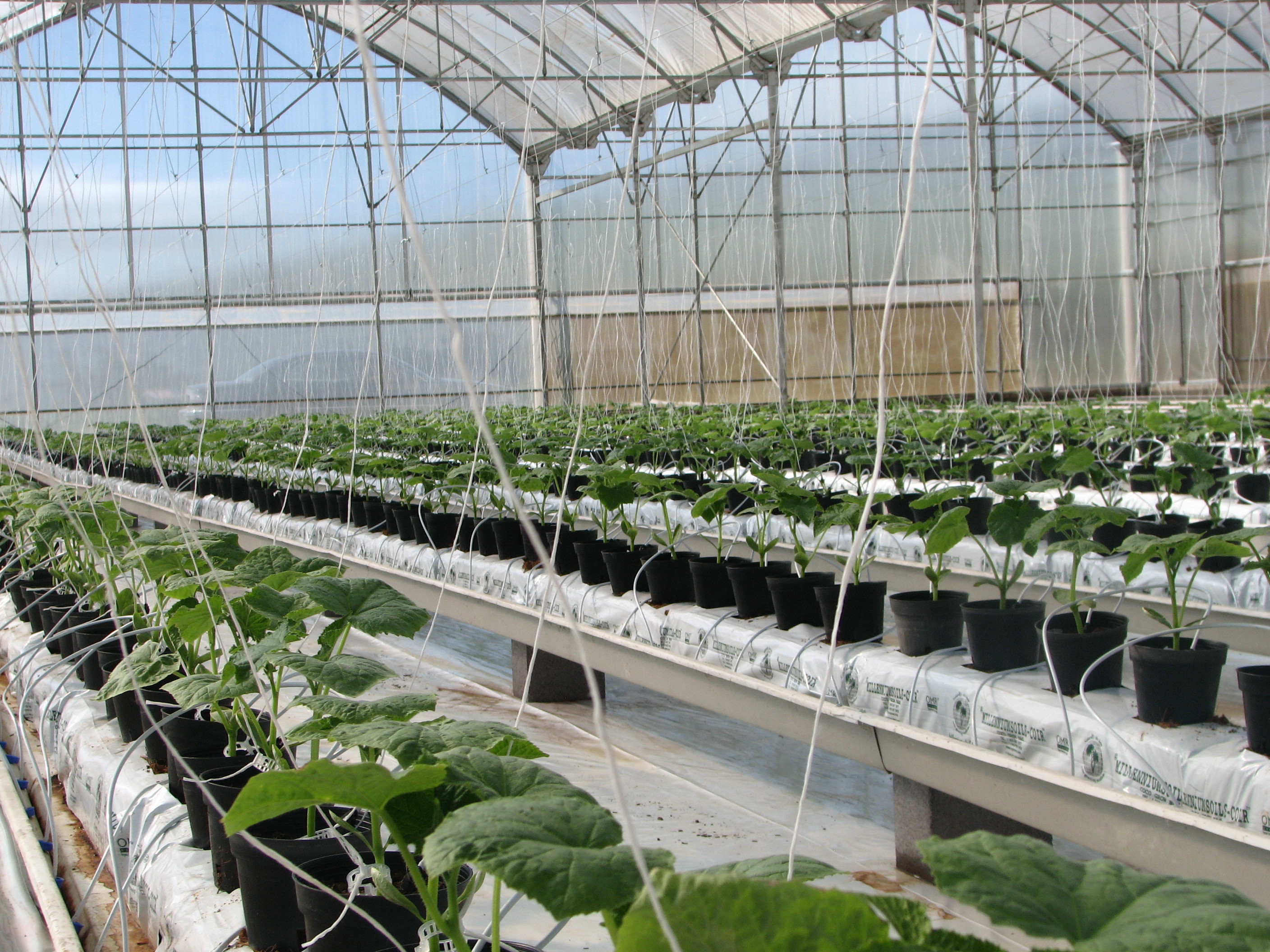
A horticultural greenhouse provides a controlled environment that enhances your gardening experience on multiple levels. One of the most significant benefits is the ability to extend your growing season. With a greenhouse, you can start planting earlier in the spring and continue well into the fall or even winter. This flexibility allows for a broader variety of plants, including those that typically require warmer climates.
Furthermore, greenhouses protect plants from adverse weather conditions such as heavy rain, frost, and extreme heat. This added layer of protection not only enhances plant health but also reduces the likelihood of pests and diseases. A greenhouse also allows you to control humidity, temperature, and light exposure—creating the ideal growing conditions for your plants. By optimizing these factors, you can achieve higher yields and healthier plants.
2. Types of Horticultural Greenhouses
When considering a horticultural greenhouse, it's essential to understand the various types available to meet your specific gardening needs.
2.1. Lean-to Greenhouses
Lean-to greenhouses are attached to an existing structure, such as a garage or shed. This type maximizes space and can be more energy-efficient due to shared walls. They are ideal for smaller gardens or urban environments.
2.2. Freestanding Greenhouses
Freestanding greenhouses stand alone and can be placed in any location. They often come in various sizes, making them suitable for both hobbyists and commercial growers.
2.3. Gothic Arch Greenhouses
These greenhouses feature a peaked design that promotes better air circulation and increases snow load resistance. They are aesthetically pleasing and highly functional, making them popular choices for serious gardeners.
2.4. Tunnel Greenhouses
Tunnel greenhouses, also known as hoop houses, are simple structures made of hoops covered in plastic or fabric. They are cost-effective and easy to set up, making them perfect for novice gardeners.
3. Key Features to Consider When Choosing a Greenhouse
Selecting the right greenhouse requires careful consideration of various factors to ensure it meets your gardening goals.
3.1. Size and Space
Evaluate the available space in your garden. Consider how many plants you want to grow and the types of plants that require specific conditions.
3.2. Material
Greenhouses can be constructed using various materials, including glass, polycarbonate, and polyethylene. Each material has its advantages and disadvantages in terms of insulation, durability, and cost.
3.3. Ventilation
Proper ventilation is crucial to prevent overheating and humidity buildup. Look for greenhouses with adjustable vents or fans to maintain optimal air circulation.
3.4. Heating and Cooling Options
Depending on your climate, you may need heating systems for winter and cooling features for summer. Consider the energy efficiency of these systems to keep operational costs manageable.
3.5. Accessibility
Ensure the design includes easy access for planting, maintenance, and harvesting. Wide doors and pathways are essential for maneuvering tools and equipment.
4. Setting Up Your Greenhouse: A Step-by-Step Guide
Establishing a horticultural greenhouse involves several crucial steps to ensure success.
4.1. Choosing the Right Location
Select a site with ample sunlight, preferably south-facing, to maximize light exposure. Ensure the area has good drainage and access to water.
4.2. Preparing the Ground
Clear the area of debris and level the ground. This preparation creates a stable foundation for your greenhouse. Consider adding gravel or paving stones for better drainage.
4.3. Assembling the Greenhouse
Follow manufacturer instructions meticulously to ensure proper assembly. Double-check all fittings and connections to prevent leaks and structural issues.
4.4. Installing Heating and Cooling Systems
If applicable, install heating systems before planting to ensure the greenhouse is ready for early starts. Cooling systems should be in place to maintain a comfortable environment during hot months.
4.5. Organizing Planting Areas
Allocate specific areas for different types of plants. Consider using raised beds, pots, or benches to optimize space and promote better growth.
5. Creating Optimal Conditions for Your Plants
Understanding the needs of your plants is critical for thriving growth in a greenhouse environment.
5.1. Temperature Control
Most plants prefer temperatures between 65°F to 75°F during the day and slightly cooler at night. Utilize thermostats and heaters to maintain these levels.
5.2. Humidity Management
Humidity levels should ideally be between 40% and 70%. Use humidifiers, dehumidifiers, or even simple trays of water to achieve the desired humidity levels for your plants.
5.3. Light Requirements
Different plants have varying light needs. Utilize shading cloths or adjustable panels to control light intensity based on the specific requirements of your plants.
5.4. Watering Techniques
Implement an efficient watering system, such as drip irrigation, to provide consistent moisture without overwatering. Ensure that drainage systems are in place to prevent waterlogging.
6. Common Mistakes to Avoid in Greenhouse Gardening
Being aware of common pitfalls can save time and resources.
6.1. Overcrowding Plants
Plants need adequate space for growth. Avoid overcrowding to prevent competition for nutrients and sunlight.
6.2. Ignoring Ventilation
Neglecting proper ventilation can lead to humidity problems and disease outbreaks. Regularly check that vents are functioning correctly.
6.3. Failing to Monitor Conditions
Regularly monitor temperature, humidity, and light levels to make necessary adjustments. Neglecting these factors can harm your plants.
6.4. Lack of Routine Maintenance
Establish a regular maintenance schedule for cleaning, inspecting, and repairing your greenhouse to prolong its lifespan and effectiveness.
7. Sustainable Practices in Greenhouse Gardening
Implementing sustainable practices not only benefits the environment but also enhances the quality of your gardening.
7.1. Rainwater Harvesting
Consider installing a rainwater collection system to utilize natural resources for irrigation, reducing dependency on municipal water supplies.
7.2. Organic Soil Amendments
Use organic fertilizers and soil amendments to maintain soil health and promote sustainable plant growth.
7.3. Companion Planting
Utilizing companion planting can deter pests and promote healthy growth, reducing the need for chemical interventions.
7.4. Integrated Pest Management
Implement an integrated pest management system that emphasizes prevention and eco-friendly solutions to minimize pesticide use.
8. Frequently Asked Questions about Horticultural Greenhouses
8.1. What size greenhouse should I choose for my garden?
The size of your greenhouse depends on your available space and gardening ambitions. Assess how many plants you want to grow and select a size that provides sufficient space without being overcrowded.
8.2. Do I need a permit to build a greenhouse?
Permit requirements vary based on location and structure size. Check with your local zoning office to determine if you need a permit.
8.3. How much sunlight does a greenhouse need?
Ideally, a greenhouse should receive at least 6-8 hours of direct sunlight daily for optimal plant growth.
8.4. Can I grow vegetables in a greenhouse year-round?
Yes, with proper temperature control and insulation, you can successfully grow vegetables year-round in a greenhouse.
8.5. What kind of plants can I grow in a greenhouse?
You can grow a wide variety of plants, including vegetables, herbs, flowers, and even tropical plants, depending on the conditions you can maintain.
9. Conclusion: Embrace the Greenhouse Revolution
Investing in a horticultural greenhouse opens up a world of possibilities for any gardening enthusiast. With the ability to control environmental factors, extend your growing season, and cultivate a diverse array of plants, a greenhouse can truly transform your gardening experience. By understanding the benefits, selecting the right type, and following best practices, you can create an oasis that not only enhances your gardening skills but also leads to a rewarding and sustainable gardening journey. Embrace the greenhouse revolution, and watch your gardening dreams flourish like never before!
Related Information
AI+ Agriculture: Discuss its present, challenges and future
Jun 18,2024
Causes and solutions of strawberry albino fruit
Jun 18,2024
Smart Greenhouse Global Opportunity Analysis and Industry, 2020-2027
Jun 18,2024
Industry Information
Your Reliable Supplier of Complete Greenhouse Solution
Empower Smart Agriculture, Nurture Green Life, Ensure Food Safety, Share A Better Life
CONTACT INFORMATION
Add: Room 2204, Building T1, No. 1-1 Taipei Road, Siming District, Xiamen, China
WhatsApp: +86 137 7467 8874
Email: Guniverse@guniver.com
All Rights Reserved © 2024 Guniverse Intelligent Agricultural Tech Co., Ltd.