
-
ABOUT US
-
-
-
Search HistoryClear All Records
- 全部
- 产品管理
- 新闻资讯
- 介绍内容
- 企业网点
- 常见问题
- 企业视频
- 企业图册
How Quonset Greenhouses Enhance Crop Yields: A Comprehensive Guide
Release time:
Dec 06,2024
How Quonset Greenhouses Enhance Crop Yields: A Comprehensive Guide
Table of Contents
- 1. Introduction to Quonset Greenhouses
- 2. What is a Quonset Greenhouse?
- 3. Key Benefits of Quonset Greenhouses
- 4. Enhanced Crop Management Techniques
- 5. Construction and Design of Quonset Greenhouses
- 6. Case Studies: Success Stories with Quonset Greenhouses
- 7. Frequently Asked Questions
- 8. Conclusion
1. Introduction to Quonset Greenhouses
Quonset greenhouses are becoming increasingly popular among farmers and agricultural enthusiasts due to their **innovative design** and **versatile functionality**. These semi-circular structures, reminiscent of Quonset huts, offer unique benefits that significantly enhance crop yields. By creating an environment controlled for temperature, humidity, and light, these greenhouses ensure that crops receive the best possible conditions for growth.
2. What is a Quonset Greenhouse?
A Quonset greenhouse is a type of greenhouse featuring a **curved roof** that allows for optimal light penetration and air circulation. The shape of the structure can effectively shed snow and rain, reducing the risk of structural damage commonly seen in traditional greenhouses. With their robust build and flexibility in size, Quonset greenhouses can accommodate a wide variety of crops, making them ideal for both small-scale and large-scale agricultural operations.
3. Key Benefits of Quonset Greenhouses
Understanding the benefits of Quonset greenhouses is crucial for farmers looking to maximize productivity. Below are some of the most significant advantages:
3.1 Temperature Regulation
One of the primary advantages of Quonset greenhouses is their exceptional ability to maintain a stable **internal temperature**. The curved design allows sunlight to enter from various angles, creating a naturally warmer environment during the day. Additionally, the structure can be equipped with heating systems to keep crops warm during colder months, which is vital for maintaining growth cycles.
3.2 Improved Lighting Conditions
Light is critical for photosynthesis, and Quonset greenhouses excel in providing ample natural light. The transparent covering used in these greenhouses ensures that plants receive uniform light distribution. This leads to healthier plants with **higher growth rates**, ultimately translating to better crop yields.
3.3 Pest and Disease Control
Quonset greenhouses facilitate better control over pests and diseases. By creating a controlled environment, farmers can limit exposure to harmful insects and pathogens. Implementing integrated pest management (IPM) practices within a Quonset greenhouse can drastically reduce the need for chemical pesticides, promoting sustainable farming practices.
3.4 Efficient Water Use
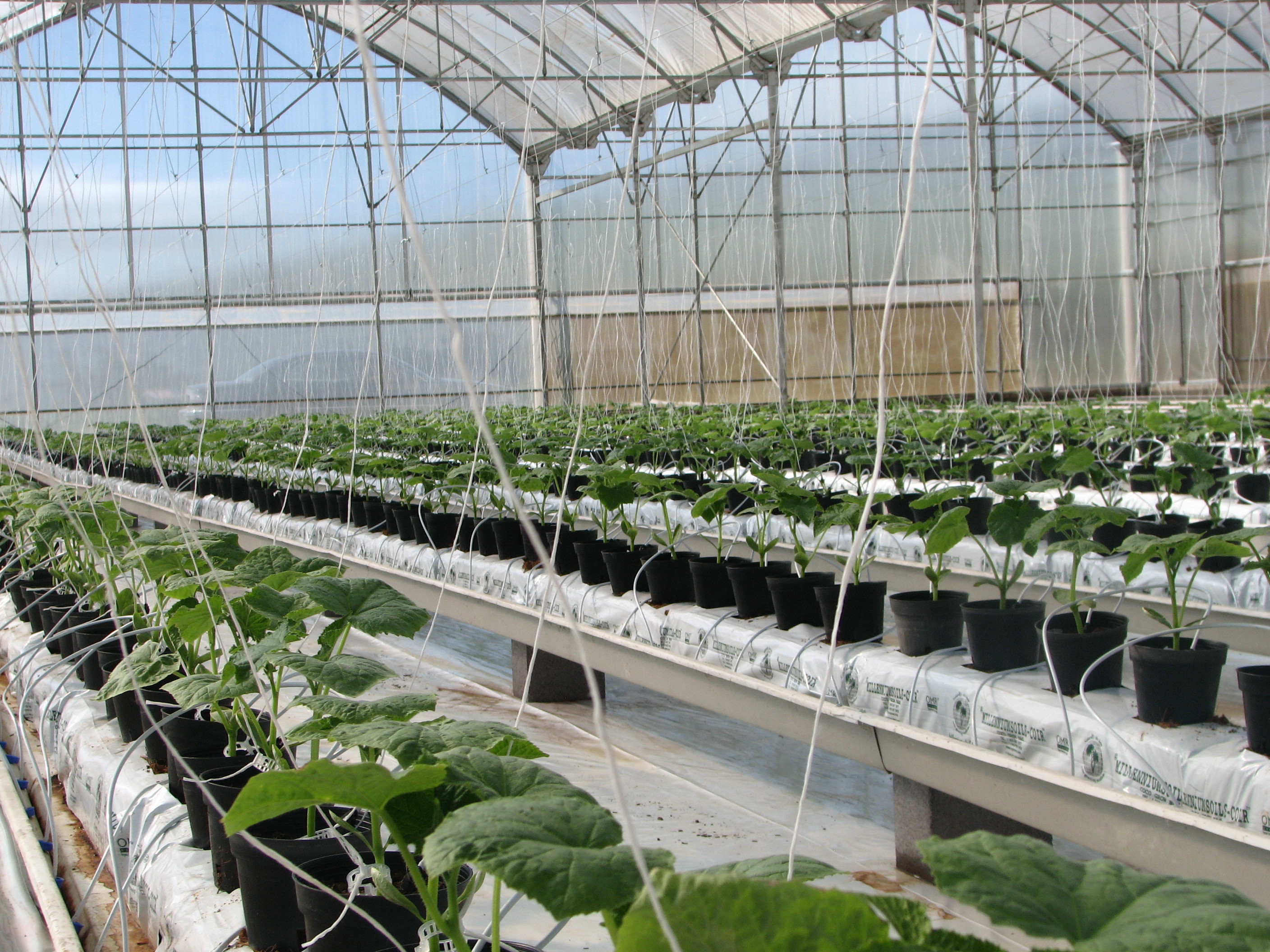
Water conservation is increasingly important in agriculture. Quonset greenhouses can integrate **efficient irrigation systems**, such as drip irrigation, which delivers water directly to the plant roots. This method minimizes water waste and ensures that crops receive the precise amount of moisture needed for optimal growth.
4. Enhanced Crop Management Techniques
Quonset greenhouses also offer the opportunity for advanced crop management techniques that can further boost yields.
4.1 Crop Rotation Strategies
Crop rotation is essential for soil health and pest management. With Quonset greenhouses, farmers can easily implement crop rotation schedules, allowing different crops to thrive in the same space throughout the year. This practice not only helps in maintaining soil fertility but also reduces the risk of pest infestations.
4.2 Succession Planting Benefits
Succession planting, or planting crops in intervals to maximize yield throughout the growing season, is another technique that can be effectively implemented in Quonset greenhouses. By carefully planning planting schedules, farmers can harvest a continuous supply of fresh produce, ensuring year-round profitability.
5. Construction and Design of Quonset Greenhouses
Building a Quonset greenhouse requires careful consideration of materials and design features to maximize its effectiveness.
5.1 Materials Used
Quonset greenhouses are typically constructed using durable materials such as galvanized steel for the frame and polycarbonate or polyethylene for the covering. These materials are not only long-lasting but also excellent at providing insulation and light diffusion.
5.2 Design Features That Matter
Key design features to consider when constructing a Quonset greenhouse include ventilation systems, thermal mass, and shading options. Proper ventilation promotes airflow, reducing the risk of overheating. Thermal mass, such as water barrels, can help stabilize temperatures, while shading systems can protect crops from excessive sunlight during peak hours.
6. Case Studies: Success Stories with Quonset Greenhouses
Numerous farms have successfully implemented Quonset greenhouses, demonstrating their effectiveness in enhancing crop yields. For instance, a family-owned farm in California reported a **30% increase in tomato yields** after transitioning to a Quonset greenhouse. This success was attributed to better temperature control and improved pest management.
Another example is a flower-growing business that shifted to a Quonset greenhouse for its **annual production cycle**. The owner noted that the greenhouse facilitated earlier planting and extended the growing season, allowing for a more diverse selection of flowers and increased profits.
7. Frequently Asked Questions
1. How much does a Quonset greenhouse cost?
The cost of a Quonset greenhouse can vary widely based on size and materials, generally ranging from **$2,000 to $10,000**.
2. Can I build a Quonset greenhouse myself?
Yes, many farmers opt for DIY kits. However, professional installation may be advisable for larger structures.
3. What crops are best suited for Quonset greenhouses?
Quonset greenhouses are versatile and can accommodate a variety of crops, including vegetables, herbs, and flowers.
4. How do I maintain proper humidity levels in a Quonset greenhouse?
Regular monitoring and the use of **misting systems or humidifiers** can help maintain optimal humidity levels.
5. Are Quonset greenhouses environmentally friendly?
Yes, they promote sustainable farming practices by reducing pesticide usage and conserving water while providing optimal growing conditions.
8. Conclusion
In conclusion, Quonset greenhouses stand out as a **revolutionary solution** for enhancing crop yields in modern agriculture. Their ability to regulate temperature, optimize lighting, and control pests makes them an ideal choice for farmers seeking to maximize productivity. By implementing effective crop management strategies and utilizing the unique design features of Quonset greenhouses, agricultural professionals can pave the way for sustainable practices and increased profitability. As the demand for efficient and environmentally friendly farming solutions grows, Quonset greenhouses will undoubtedly play a pivotal role in the future of agriculture.
Related Information
AI+ Agriculture: Discuss its present, challenges and future
Jun 18,2024
Causes and solutions of strawberry albino fruit
Jun 18,2024
Smart Greenhouse Global Opportunity Analysis and Industry, 2020-2027
Jun 18,2024
Industry Information
Your Reliable Supplier of Complete Greenhouse Solution
Empower Smart Agriculture, Nurture Green Life, Ensure Food Safety, Share A Better Life
CONTACT INFORMATION
Add: Room 2204, Building T1, No. 1-1 Taipei Road, Siming District, Xiamen, China
WhatsApp: +86 137 7467 8874
Email: Guniverse@guniver.com
All Rights Reserved © 2024 Guniverse Intelligent Agricultural Tech Co., Ltd.