
-
ABOUT US
-
-
-
Search HistoryClear All Records
- 全部
- 产品管理
- 新闻资讯
- 介绍内容
- 企业网点
- 常见问题
- 企业视频
- 企业图册
Exploring the Benefits of Galvanized Steel Greenhouses for Sustainable Agriculture
Release time:
Mar 23,2025
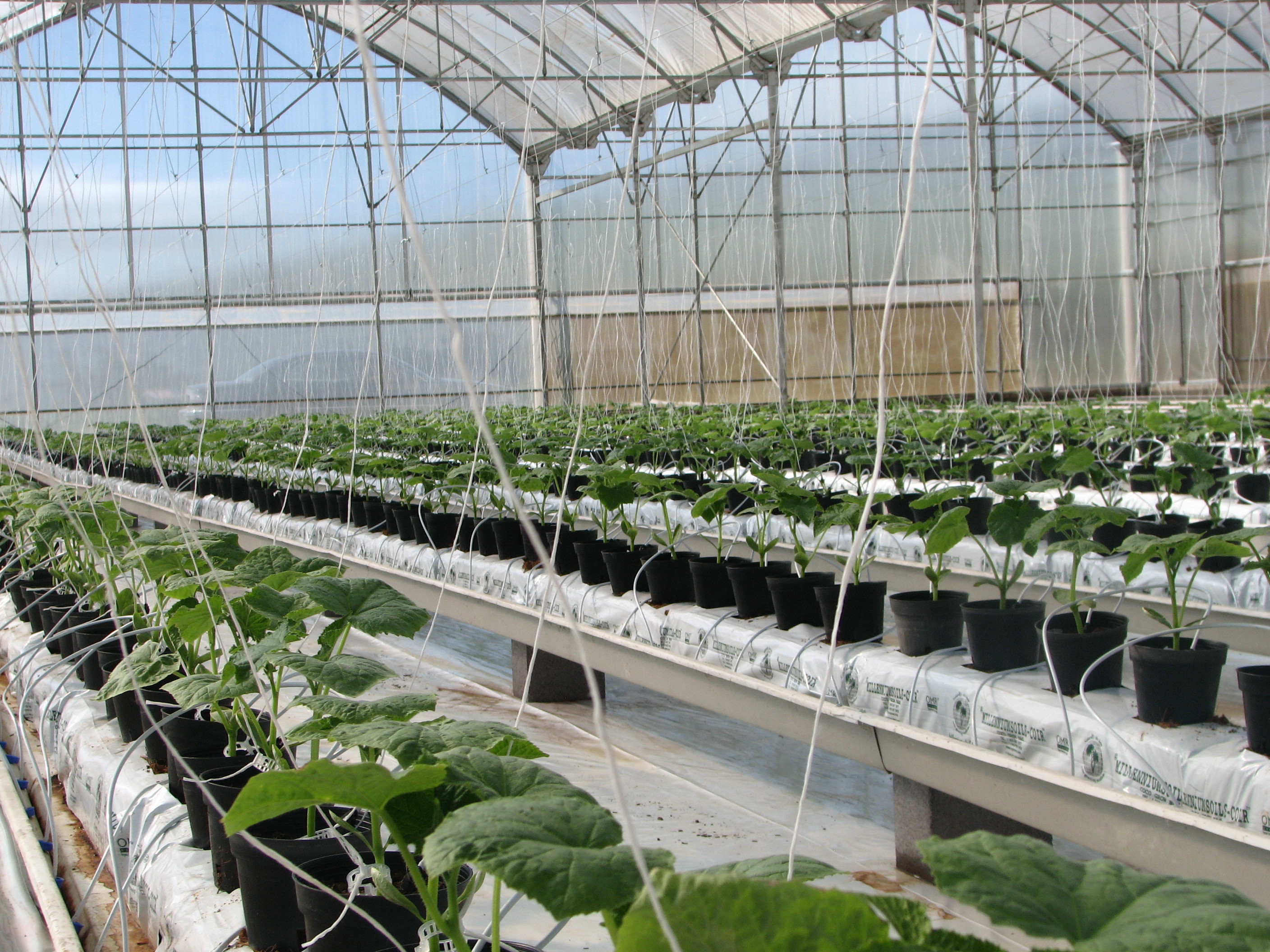
Galvanized steel greenhouses are becoming increasingly popular in modern agriculture due to their numerous benefits and advantages over traditional greenhouse materials. The use of galvanized steel, which is steel coated with a layer of zinc, provides a robust and long-lasting structure that is well-suited for various growing conditions. In this article, we will delve into the key features and benefits of galvanized steel greenhouses, making them an excellent choice for sustainable agricultural practices.
One of the primary advantages of galvanized steel is its exceptional resistance to corrosion. The zinc coating protects the underlying steel from rust and deterioration caused by exposure to moisture and varying weather conditions. This durability ensures that a galvanized steel greenhouse can withstand environmental stressors, such as heavy rain, snow, and wind, prolonging its lifespan significantly compared to traditional wooden or uncoated metal structures.
In addition to its durability, a galvanized steel greenhouse offers superior structural integrity. The strength of the steel framing allows for larger spans and higher ceilings, providing ample growing space and better light penetration. This feature is particularly beneficial for cultivating a wide range of crops, as plants require adequate sunlight to thrive. Furthermore, the robust framework allows for the installation of advanced climate control systems, including ventilation and heating, which are essential for maintaining optimal growing conditions year-round.
Another significant advantage of galvanized steel greenhouses is their low maintenance requirements. Unlike wooden structures that may need regular treatments and repairs to prevent decay, galvanized steel is designed to require minimal upkeep. This not only saves time and labor but also reduces long-term operational costs, making it an attractive option for commercial growers.
Sustainability is a crucial consideration in today's agricultural practices, and galvanized steel greenhouses align well with these principles. The longevity of galvanized steel means fewer resources are needed for replacements and repairs, minimizing waste. Additionally, steel is fully recyclable, making it an environmentally friendly choice. By investing in a galvanized steel greenhouse, growers can contribute to sustainable agricultural practices while ensuring their operations remain efficient and productive.
Temperature regulation is another critical aspect of successful greenhouse farming. Galvanized steel frames can support various types of glazing materials, such as polycarbonate panels or glass, which are essential for optimizing light transmission and insulation. This versatility enables growers to customize their greenhouses according to specific crop needs, ensuring a conducive environment for plant growth.
In conclusion, galvanized steel greenhouses offer numerous benefits that make them an ideal choice for sustainable agriculture. With their durability, structural integrity, low maintenance, and eco-friendly attributes, these greenhouses are well-equipped to meet the demands of modern farming. By considering a galvanized steel greenhouse, growers can enhance their agricultural practices, improve crop yields, and contribute to a more sustainable future.
Related Information
AI+ Agriculture: Discuss its present, challenges and future
Jun 18,2024
Causes and solutions of strawberry albino fruit
Jun 18,2024
Smart Greenhouse Global Opportunity Analysis and Industry, 2020-2027
Jun 18,2024
Industry Information
Your Reliable Supplier of Complete Greenhouse Solution
Empower Smart Agriculture, Nurture Green Life, Ensure Food Safety, Share A Better Life
CONTACT INFORMATION
Add: Room 2204, Building T1, No. 1-1 Taipei Road, Siming District, Xiamen, China
WhatsApp: +86 137 7467 8874
Email: Guniverse@guniver.com
All Rights Reserved © 2024 Guniverse Intelligent Agricultural Tech Co., Ltd.