
-
ABOUT US
-
-
-
Search HistoryClear All Records
- 全部
- 产品管理
- 新闻资讯
- 介绍内容
- 企业网点
- 常见问题
- 企业视频
- 企业图册
Maximizing Yield: The Advantages of the Newest Modern Greenhouse
Release time:
Feb 08,2026
Maximizing Yield: The Advantages of the Newest Modern Greenhouse
Table of Contents
1. Introduction to Modern Greenhouses
2. What Are Modern Greenhouses?
3. Key Features of New Age Greenhouses
3.1 Climate Control Systems
3.2 Energy Efficiency
3.3 Advanced Hydroponics and Aeroponics
4. The Role of Automation in Greenhouse Management
5. Maximizing Crop Yield and Quality
5.1 Enhanced Growth Cycles
5.2 Disease and Pest Management
6. Sustainable Practices in Modern Greenhouses
7. Economic Benefits of Investing in Modern Greenhouses
8. Frequently Asked Questions
9. Conclusion
1. Introduction to Modern Greenhouses
In the ever-evolving world of agriculture, the adoption of modern greenhouse technology marks a pivotal shift toward maximizing yield and sustainability. The newest modern greenhouses are not just structures; they are sophisticated ecosystems designed to optimize growth conditions for a variety of crops. With innovations in design and technology, these facilities are transforming agricultural practices and paving the way for enhanced efficiency and sustainability.
2. What Are Modern Greenhouses?
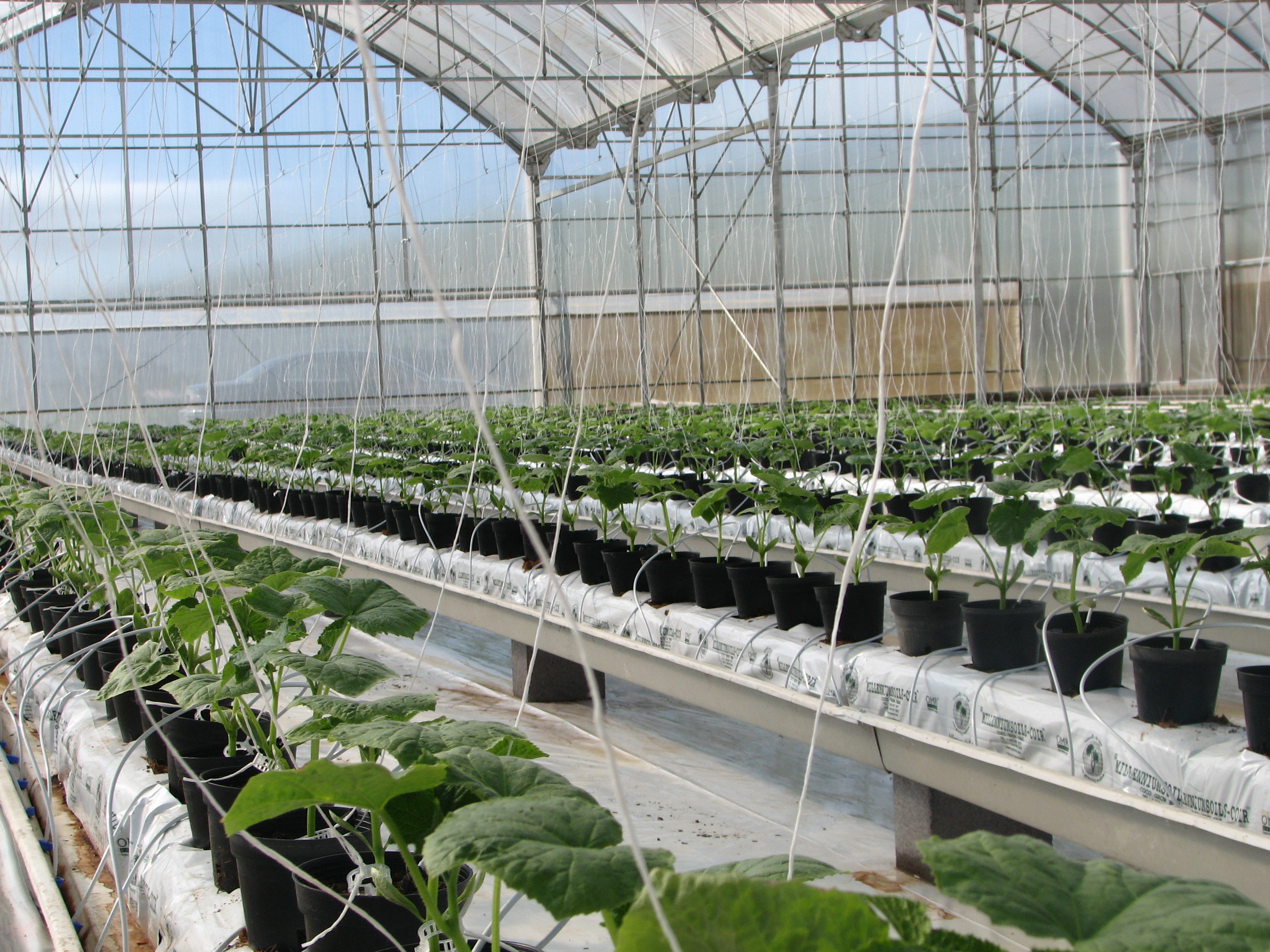
Modern greenhouses are advanced agricultural buildings that provide a controlled environment for plant cultivation. Unlike traditional greenhouses, which rely heavily on natural elements, modern greenhouses utilize cutting-edge technologies to regulate temperature, humidity, and light. This control allows for year-round production, irrespective of external weather conditions, ensuring that crops receive optimal care and conditions for growth.
3. Key Features of New Age Greenhouses
The latest modern greenhouses are engineered with several key features that set them apart from their predecessors. These features not only enhance productivity but also contribute to sustainable farming practices.
3.1 Climate Control Systems
**Climate control systems** are one of the most critical aspects of a modern greenhouse. These systems include heating, cooling, and ventilation mechanisms that maintain the ideal environment for plant growth. Technologies such as automated shading, humidity control, and temperature regulation ensure that crops thrive even in extreme weather conditions.
3.2 Energy Efficiency
Energy efficiency is paramount in today's environmentally conscious world. Modern greenhouses often employ energy-efficient materials and technologies, such as thermal screens and energy-efficient lighting. These innovations help reduce operational costs while minimizing the carbon footprint of agricultural activities.
3.3 Advanced Hydroponics and Aeroponics
Hydroponics and aeroponics are revolutionary growing methods utilized in modern greenhouses. These techniques allow plants to grow without soil, using nutrient-rich water solutions or mist. This not only conserves water but also accelerates growth rates and increases yields, making them incredibly attractive for urban and conventional farmers alike.
4. The Role of Automation in Greenhouse Management
Automation is transforming greenhouse management into a more streamlined and efficient process. From automated nutrient delivery systems to robotic harvesting, technology minimizes the manual labor required and enhances operational efficiency. This integration of technology ensures consistent monitoring of plant health, reducing the risk of human error and optimizing resource use.
5. Maximizing Crop Yield and Quality
One of the primary goals of any agricultural operation is to maximize crop yield and quality. Modern greenhouses excel in this area due to several factors.
5.1 Enhanced Growth Cycles
With controlled environments, modern greenhouses enable faster growth cycles. Plants can be cultivated year-round, allowing for multiple harvests within a single year. This increased turnover contributes to higher yields and a steady supply of produce in the market.
5.2 Disease and Pest Management
The controlled environment of a modern greenhouse significantly reduces the incidence of pests and diseases. With advanced monitoring systems and biosecurity measures, farmers can detect issues early and implement targeted interventions. This proactive approach minimizes crop loss and enhances overall quality.
6. Sustainable Practices in Modern Greenhouses
Sustainability is becoming increasingly essential in agriculture. Modern greenhouses embrace sustainable practices that not only reduce environmental impact but also promote the long-term viability of farming. Techniques such as rainwater harvesting, composting, and organic pest control are integral to eco-friendly greenhouse operations.
7. Economic Benefits of Investing in Modern Greenhouses
Investing in a modern greenhouse can yield significant economic benefits. Although the initial capital outlay may be substantial, the long-term returns can be impressive. By maximizing yield, reducing resource waste, and enhancing product quality, farmers can tap into premium markets and achieve better profitability.
8. Frequently Asked Questions
8.1 What types of crops can be grown in modern greenhouses?
Modern greenhouses can accommodate a diverse range of crops, including vegetables, fruits, flowers, and herbs. The controlled environment allows for year-round cultivation, which is especially beneficial for high-value specialty crops.
8.2 How do modern greenhouses reduce water usage?
Modern greenhouses employ advanced irrigation systems, such as drip irrigation and hydroponics, which use significantly less water than traditional farming methods. These systems deliver water directly to the plant roots, minimizing evaporation and runoff.
8.3 What role does technology play in greenhouse management?
Technology plays a crucial role in greenhouse management by automating processes, monitoring environmental conditions, and optimizing resource use. This integration leads to improved efficiency and crop quality.
8.4 Are modern greenhouses energy-efficient?
Yes, modern greenhouses are designed with energy efficiency in mind. They utilize energy-efficient materials and technologies to minimize energy consumption, contributing to both cost savings and environmental sustainability.
8.5 How can I start my own modern greenhouse?
Starting a modern greenhouse involves careful planning, including selecting the right location, determining crop types, and investing in necessary technologies. Consulting with greenhouse design experts can provide valuable insights for a successful venture.
9. Conclusion
Modern greenhouses represent a significant leap forward in agricultural technology, offering unparalleled advantages in yield maximization, sustainability, and economic viability. By harnessing the power of climate control, automation, and advanced growing techniques, farmers can cultivate crops more efficiently and sustainably than ever before. Investing in a modern greenhouse not only enhances productivity but also contributes to a greener future for agriculture, making it a wise choice for aspiring and established farmers alike. Embracing these innovations will ensure that agriculture continues to thrive, meeting the demands of a growing population while preserving the environment.
Related Information
AI+ Agriculture: Discuss its present, challenges and future
Jun 18,2024
Causes and solutions of strawberry albino fruit
Jun 18,2024
Smart Greenhouse Global Opportunity Analysis and Industry, 2020-2027
Jun 18,2024
Industry Information
Your Reliable Supplier of Complete Greenhouse Solution
Empower Smart Agriculture, Nurture Green Life, Ensure Food Safety, Share A Better Life
CONTACT INFORMATION
Add: Room 2204, Building T1, No. 1-1 Taipei Road, Siming District, Xiamen, China
WhatsApp: +86 137 7467 8874
Email: Guniverse@guniver.com
All Rights Reserved © 2024 Guniverse Intelligent Agricultural Tech Co., Ltd.