Unlocking the Benefits of Advanced High Tunnel Greenhouses in Sustainable Agriculture
Release time:
Jan 13,2026
Summary:Advanced high tunnel greenhouses are revolutionizing the way we approach modern agriculture, especially in controlled environment farming. These structures are designed to extend the growing season, optimize crop yield, and improve the overall quality of produce. One of the primary benefits of using advanced high tunnel greenhouses is their ability to create a microclimate that is conducive to pla
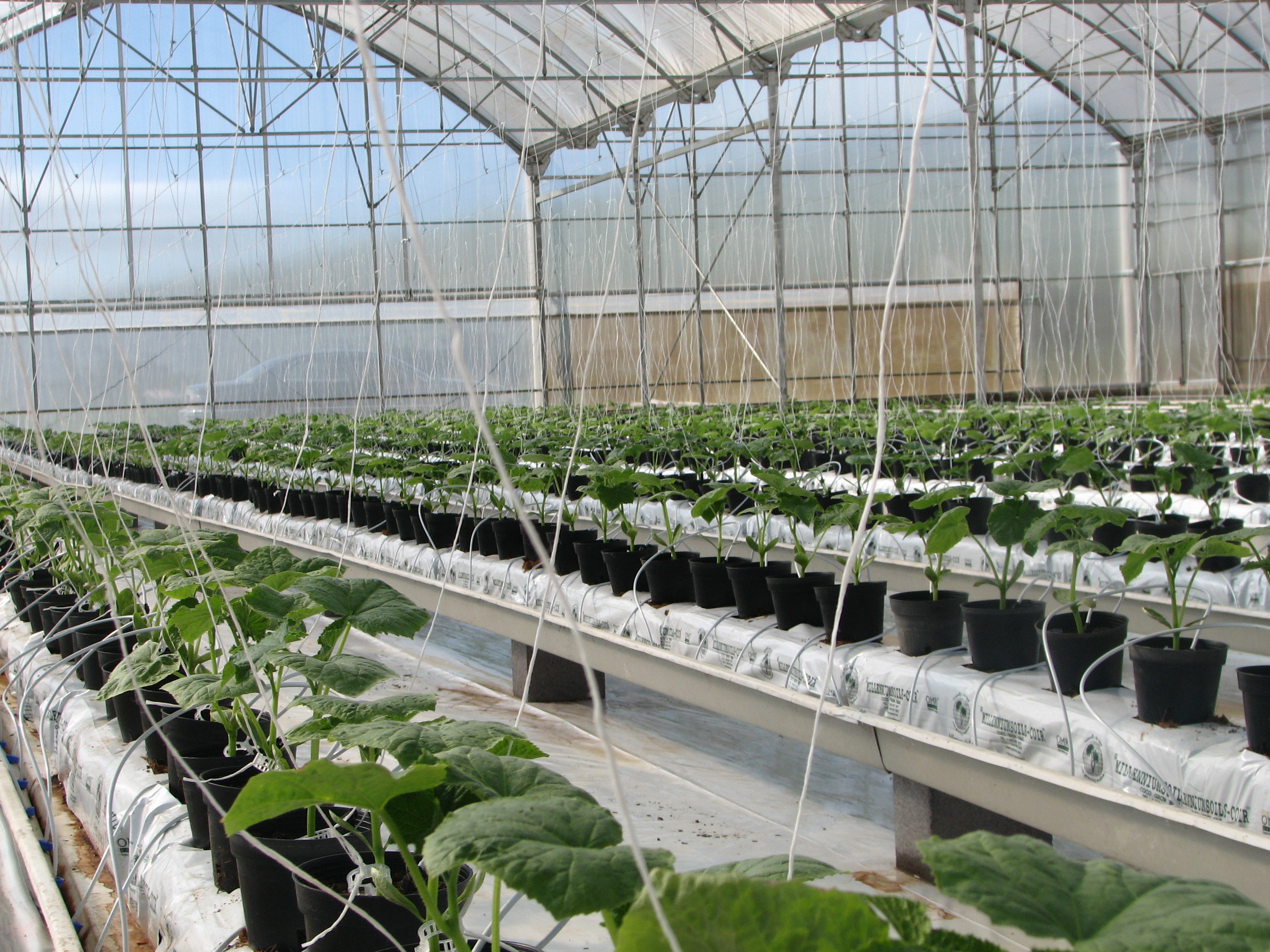
Advanced high tunnel greenhouses are revolutionizing the way we approach modern agriculture, especially in controlled environment farming. These structures are designed to extend the growing season, optimize crop yield, and improve the overall quality of produce. One of the primary benefits of using advanced high tunnel greenhouses is their ability to create a microclimate that is conducive to plant growth. By utilizing the natural sunlight and insulating properties of the materials used, these greenhouses can maintain optimal temperature and humidity levels, regardless of external weather conditions.
The design of advanced high tunnel greenhouses incorporates innovative features such as adjustable vents, thermal mass, and high-efficiency materials. Adjustable vents allow for proper air circulation, which is crucial for preventing diseases and ensuring healthy plant growth. The thermal mass, often achieved through the use of water barrels or concrete, helps to stabilize temperatures, absorbing heat during the day and releasing it at night. This not only conserves energy but also enhances the overall growing environment for crops.
In addition to improving growing conditions, advanced high tunnel greenhouses also promote resource efficiency. They require less water compared to traditional field farming methods, as the enclosed environment helps retain moisture. This is particularly important in regions facing water scarcity. Furthermore, the controlled conditions reduce the need for chemical pesticides and fertilizers, as the risk of pest infestations and disease is minimized. This leads to healthier crops and a more sustainable agricultural practice.
The use of advanced high tunnel greenhouses also allows farmers to diversify their crop production. With the ability to create specific microclimates, growers can experiment with a wider variety of fruits, vegetables, and flowers that may not thrive in their local climate otherwise. This diversification not only increases economic resilience for farmers but also enhances food security in the community.
Moreover, the implementation of advanced high tunnel greenhouses contributes to reducing the carbon footprint of agriculture. By enabling year-round production, these structures help decrease the reliance on imported produce, thereby minimizing transportation emissions. Additionally, the focus on sustainable practices aligns with global efforts to combat climate change and promote environmentally friendly farming techniques.
In conclusion, advanced high tunnel greenhouses are an invaluable asset in the realm of sustainable agriculture. They provide a myriad of benefits including enhanced crop yield, efficient resource use, and improved environmental stewardship. As the agricultural sector continues to evolve, embracing these innovative structures can significantly contribute to a more sustainable and resilient food system. Whether you are a seasoned farmer or just starting out, considering advanced high tunnel greenhouses in your agricultural practices can lead to a more productive and environmentally conscious future.
The design of advanced high tunnel greenhouses incorporates innovative features such as adjustable vents, thermal mass, and high-efficiency materials. Adjustable vents allow for proper air circulation, which is crucial for preventing diseases and ensuring healthy plant growth. The thermal mass, often achieved through the use of water barrels or concrete, helps to stabilize temperatures, absorbing heat during the day and releasing it at night. This not only conserves energy but also enhances the overall growing environment for crops.
In addition to improving growing conditions, advanced high tunnel greenhouses also promote resource efficiency. They require less water compared to traditional field farming methods, as the enclosed environment helps retain moisture. This is particularly important in regions facing water scarcity. Furthermore, the controlled conditions reduce the need for chemical pesticides and fertilizers, as the risk of pest infestations and disease is minimized. This leads to healthier crops and a more sustainable agricultural practice.
The use of advanced high tunnel greenhouses also allows farmers to diversify their crop production. With the ability to create specific microclimates, growers can experiment with a wider variety of fruits, vegetables, and flowers that may not thrive in their local climate otherwise. This diversification not only increases economic resilience for farmers but also enhances food security in the community.
Moreover, the implementation of advanced high tunnel greenhouses contributes to reducing the carbon footprint of agriculture. By enabling year-round production, these structures help decrease the reliance on imported produce, thereby minimizing transportation emissions. Additionally, the focus on sustainable practices aligns with global efforts to combat climate change and promote environmentally friendly farming techniques.
In conclusion, advanced high tunnel greenhouses are an invaluable asset in the realm of sustainable agriculture. They provide a myriad of benefits including enhanced crop yield, efficient resource use, and improved environmental stewardship. As the agricultural sector continues to evolve, embracing these innovative structures can significantly contribute to a more sustainable and resilient food system. Whether you are a seasoned farmer or just starting out, considering advanced high tunnel greenhouses in your agricultural practices can lead to a more productive and environmentally conscious future.
Related Information
AI+ Agriculture: Discuss its present, challenges and future
With the development and popularization of artificial intelligence (AI) technology, the agricultural industry is ushering in a new change, and agriculture has gradually transformed from a traditional labor-intensive industry to a high-tech industry.
Jun 18,2024
Causes and solutions of strawberry albino fruit
Strawberry albino fruit is a very common physiological disease on strawberries. Strawberry albino fruit generally small fruit, fruit ripening after chlorosis can not be colored normally.
Jun 18,2024
Smart Greenhouse Global Opportunity Analysis and Industry, 2020-2027
Smart greenhouse is a farming technique, which helps user to monitor and control the growth condition of the plant and to optimize the growing process of the plants.
Jun 18,2024
Industry Information