
-
ABOUT US
-
-
-
Search HistoryClear All Records
- 全部
- 产品管理
- 新闻资讯
- 介绍内容
- 企业网点
- 常见问题
- 企业视频
- 企业图册
Top Benefits of Investing in a Durable Horticultural Greenhouse
Release time:
Jan 18,2026
Top Benefits of Investing in a Durable Horticultural Greenhouse
Table of Contents
- Introduction to Horticultural Greenhouses
- 1. Enhanced Crop Yield and Quality
- 2. Extended Growing Seasons
- 3. Environmental Control for Optimal Growth
- 4. Protection from Pests and Disease
- 5. Aesthetic Appeal and Property Value
- 6. Versatility in Plant Cultivation
- 7. Energy Efficiency and Sustainability
- Maintaining Your Greenhouse for Longevity
- Frequently Asked Questions
- Conclusion
Introduction to Horticultural Greenhouses
In the realm of gardening and agriculture, a **durable horticultural greenhouse** serves as a sanctuary for plants, offering an ideal environment for growth and development. This structure not only protects plants from adverse weather conditions but also optimizes their growing conditions. As we delve into the key benefits of investing in a horticultural greenhouse, we will highlight how this decision can transform your gardening experience and yield remarkable results.
1. Enhanced Crop Yield and Quality
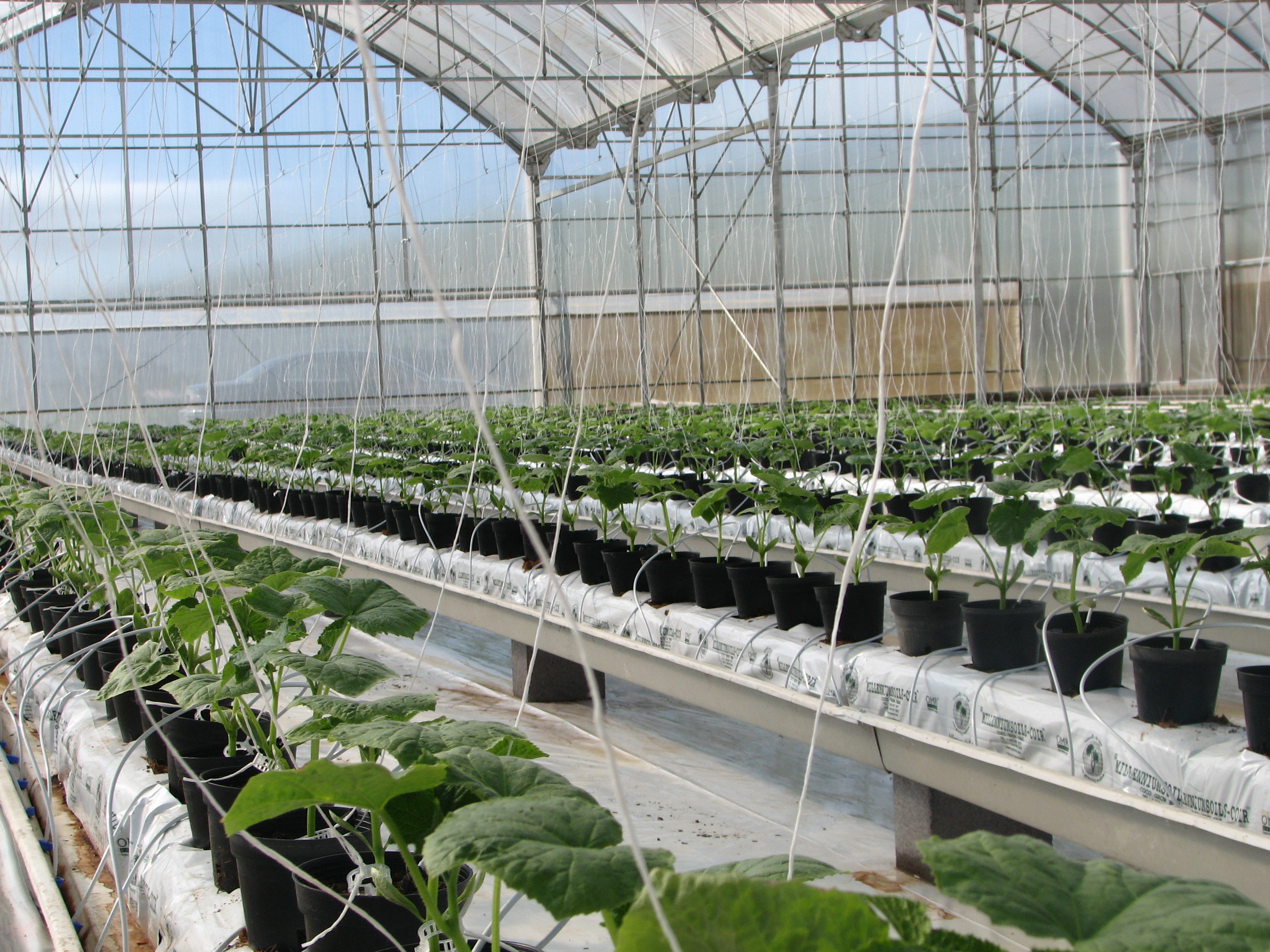
One of the primary advantages of investing in a durable horticultural greenhouse is the enhanced crop yield and quality. By controlling the environment within the greenhouse, gardeners can create optimal conditions for photosynthesis, nutrient uptake, and overall plant health.
**Temperature, humidity, and light levels** can be precisely regulated, allowing plants to thrive regardless of external weather conditions. As a result, growers often report significantly higher yields and improved crop quality, leading to better taste, texture, and nutritional value. This is particularly beneficial for commercial growers who rely on consistent production to meet market demands.
2. Extended Growing Seasons
A significant benefit of utilizing a greenhouse is the ability to **extend the growing season**. Traditional outdoor gardening is limited by seasonal changes, but a greenhouse provides a controlled environment that can sustain plant growth year-round.
In colder climates, for instance, a greenhouse can allow for the growth of crops that would typically be limited to warmer months. Additionally, growers can start seedlings earlier in the spring and continue harvesting later into the fall, maximizing productivity. This extended growing season not only increases crop output but also allows for greater diversification of plant varieties.
3. Environmental Control for Optimal Growth
Horticultural greenhouses are designed to provide **optimal environmental control** for plants. By implementing advanced technologies such as automated shading systems, ventilation, and heating, growers can manipulate internal conditions to suit specific plant needs.
By maintaining the right levels of temperature and humidity, plants can grow more efficiently, reducing stress factors that often lead to disease or pest issues. This level of control is particularly beneficial for sensitive crops that require meticulous attention to their growing environment.
4. Protection from Pests and Disease
The enclosed nature of a greenhouse provides a **natural barrier** against pests and diseases that can devastate outdoor gardens. By minimizing exposure to external contaminants, gardeners can reduce the need for chemical pesticides and herbicides, promoting a more organic approach to cultivation.
Moreover, the controlled environment of a greenhouse can deter common pests, as conditions can be tailored to make them less hospitable. Regular monitoring and maintenance within the greenhouse also allow for early detection and intervention, further protecting plants from potential harm.
5. Aesthetic Appeal and Property Value
Beyond practical advantages, a well-designed horticultural greenhouse adds **aesthetic appeal** to any property. With various designs and materials available, homeowners can choose a greenhouse that complements their landscape, enhancing the overall beauty of their garden.
Investing in a greenhouse can also increase the property value. Buyers often appreciate the added functionality and visual interest a greenhouse provides, making it a smart investment for both personal enjoyment and future resale potential.
6. Versatility in Plant Cultivation
Another remarkable benefit of a horticultural greenhouse is its **versatility in plant cultivation**. Whether you’re interested in growing vegetables, herbs, flowers, or tropical plants, a greenhouse can accommodate a wide variety of botanical needs.
This versatility allows for experimentation with different plant species and growing techniques. Gardeners can explore hydroponics, aquaponics, or vertical gardening methods, all within the protected confines of their greenhouse. This adaptability can lead to unique harvests and a broader range of gardening experiences.
7. Energy Efficiency and Sustainability
Modern horticultural greenhouses incorporate energy-efficient designs and technologies that promote **sustainability**. By utilizing materials with excellent insulation properties, such as polycarbonate or double-layered glass, these greenhouses minimize heating costs during colder months.
Additionally, many growers implement **rainwater harvesting systems** and solar panels to further enhance sustainability. By investing in a durable greenhouse, gardeners can reduce their environmental impact while enjoying the fruits of their labor.
Maintaining Your Greenhouse for Longevity
To ensure that your horticultural greenhouse remains effective and durable over time, regular maintenance is crucial. Here are some essential tips for maintaining your greenhouse:
1. Keep It Clean
Regularly cleaning the interior and exterior of your greenhouse will prevent the buildup of algae, mold, and pests. Use a mixture of water and mild detergent to scrub surfaces and ensure maximum light penetration.
2. Monitor Temperature and Humidity
Invest in thermometers and hygrometers to keep track of temperature and humidity levels inside the greenhouse. This information will help you make timely adjustments to ventilation and heating systems.
3. Inspect Structural Integrity
Periodically check for any damage or wear in the structure, including the frame, panels, and doors. Addressing minor issues quickly can prevent larger problems down the line.
4. Manage Pests and Diseases
Implement an integrated pest management system to monitor and control pest populations naturally. Regularly inspect plants for signs of disease and take proactive measures to protect your crops.
5. Plan for Seasonal Changes
As seasons change, so do the needs of your greenhouse. Prepare your greenhouse for winter by ensuring adequate insulation and heating, while also considering summer ventilation needs.
Frequently Asked Questions
1. What materials are best for a durable greenhouse?
The best materials for a durable greenhouse include galvanized steel or aluminum for the frame and polycarbonate panels or tempered glass for the covering, as they provide excellent insulation and durability.
2. How much does it cost to build a greenhouse?
The cost of building a greenhouse can vary widely based on size, materials, and features, typically ranging from a few hundred to several thousand dollars. It’s essential to set a budget before starting your project.
3. Can I use my greenhouse for year-round gardening?
Yes, a well-constructed greenhouse can provide an ideal environment for year-round gardening, allowing you to grow a variety of plants regardless of external weather conditions.
4. How do I ventilate my greenhouse effectively?
Ventilation can be achieved through roof vents, side vents, and fans. Automated systems can help manage airflow, ensuring that temperatures and humidity levels remain optimal for plant growth.
5. What common pests should I watch for in my greenhouse?
Common pests in greenhouses include aphids, whiteflies, and spider mites. Regular monitoring and preventive measures can help keep these pests under control.
Conclusion
Investing in a durable horticultural greenhouse presents numerous benefits that can greatly enhance your gardening experience. From improved crop yield and quality to extended growing seasons and environmental control, the advantages are substantial. Moreover, the versatility, aesthetic appeal, and sustainability features make a greenhouse a wise investment for any gardener looking to elevate their horticultural endeavors. By understanding the importance of maintenance and the various options available, you can ensure that your greenhouse remains a thriving environment for your plants, ultimately leading to bountiful harvests and personal satisfaction.
Related Information
AI+ Agriculture: Discuss its present, challenges and future
Jun 18,2024
Causes and solutions of strawberry albino fruit
Jun 18,2024
Smart Greenhouse Global Opportunity Analysis and Industry, 2020-2027
Jun 18,2024
Industry Information
Your Reliable Supplier of Complete Greenhouse Solution
Empower Smart Agriculture, Nurture Green Life, Ensure Food Safety, Share A Better Life
CONTACT INFORMATION
Add: Room 2204, Building T1, No. 1-1 Taipei Road, Siming District, Xiamen, China
WhatsApp: +86 137 7467 8874
Email: Guniverse@guniver.com
All Rights Reserved © 2024 Guniverse Intelligent Agricultural Tech Co., Ltd.