
-
ABOUT US
-
-
-
Search HistoryClear All Records
- 全部
- 产品管理
- 新闻资讯
- 介绍内容
- 企业网点
- 常见问题
- 企业视频
- 企业图册
Unlocking the Secrets of the Best Commercial Greenhouse Designs for Optimal Growth
Release time:
Jan 29,2026
Unlocking the Secrets of the Best Commercial Greenhouse Designs for Optimal Growth
In the ever-evolving world of agriculture, **commercial greenhouses** have emerged as a vital component for successful farming practices. These controlled environments not only enhance crop yields but also allow farmers to extend their growing seasons and diversify their produce. In this comprehensive guide, we will delve into the intricacies of the best commercial greenhouse designs, examining their features, benefits, and the essential elements that contribute to efficient agricultural production.
Table of Contents
- What is a Commercial Greenhouse?
- Importance of Commercial Greenhouses in Modern Agriculture
- Key Design Features of Successful Commercial Greenhouses
- Types of Greenhouse Designs for Optimal Performance
- Choosing the Right Materials for Greenhouse Construction
- Essential Climate Control Systems for Greenhouses
- Integrating Sustainability in Commercial Greenhouse Designs
- Best Practices for Operating a Commercial Greenhouse
- Frequently Asked Questions
- Conclusion
What is a Commercial Greenhouse?
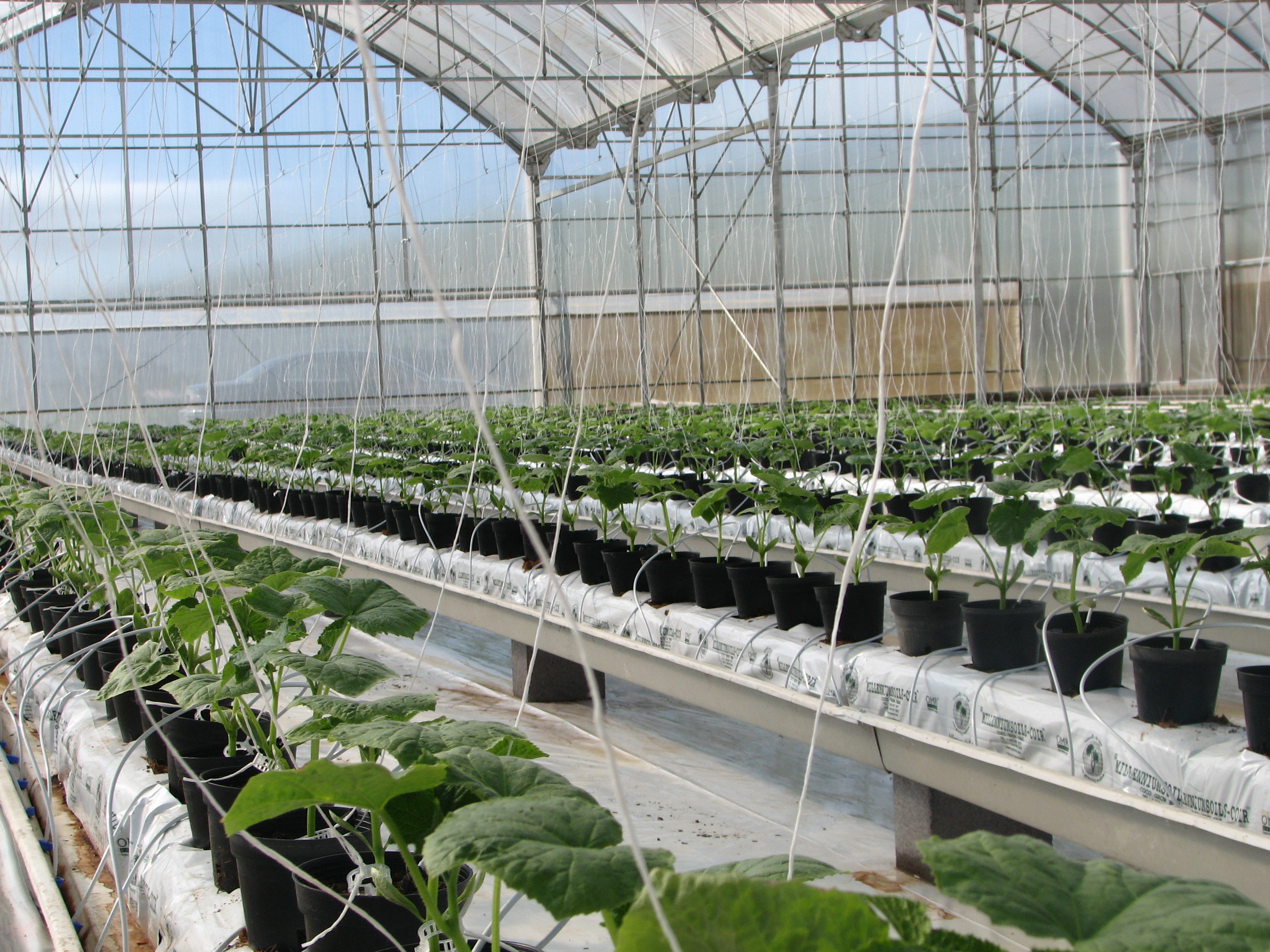
A **commercial greenhouse** is a specialized structure designed to provide an ideal environment for growing plants. These facilities utilize transparent materials that allow sunlight to penetrate while maintaining controlled temperatures and humidity levels. By creating a microclimate, commercial greenhouses enable the cultivation of diverse crops irrespective of external weather conditions. Farmers and agricultural businesses leverage this technology to produce high-quality fruits, vegetables, and ornamental plants year-round.
Importance of Commercial Greenhouses in Modern Agriculture
The significance of commercial greenhouses in today’s agricultural landscape cannot be overstated. As the global population increases and climate change presents new challenges, these structures offer several key advantages:
Maximizing Crop Yields
By providing a controlled environment, commercial greenhouses enhance plant growth and productivity. The ability to regulate temperature, humidity, and light exposure leads to healthier plants and higher yields.
Extending Growing Seasons
With commercial greenhouses, farmers can cultivate crops beyond the traditional growing season. This flexibility allows for earlier planting in the spring and extended harvesting into the fall and winter months.
Diversification of Plant Varieties
Greenhouses enable farmers to explore a wider range of crops, including exotic fruits and vegetables. This diversification can lead to increased profitability and resilience against market fluctuations.
Resource Efficiency
Greenhouses are designed to optimize resource use, reducing water and fertilizer waste. Implementing efficient irrigation systems and hydroponics can further enhance sustainability and lower operational costs.
Key Design Features of Successful Commercial Greenhouses
To achieve optimal performance, commercial greenhouses must incorporate several design features. Understanding these elements is crucial for anyone looking to invest in or operate a greenhouse.
Size and Orientation
The size of the greenhouse should align with the specific growing goals and available land. Additionally, orienting the structure to maximize sunlight exposure throughout the day is vital for enhancing plant growth.
Ventilation Systems
Proper ventilation is essential for maintaining air quality and temperature control. Automated vent systems, including roof vents and sidewall openings, help regulate humidity levels and prevent overheating.
Lighting Solutions
Supplemental lighting systems, such as LED grow lights, can enhance photosynthesis during shorter days or in cloudy weather conditions. Choosing the right lighting is critical for optimal plant growth.
Water Management Systems
Efficient irrigation systems, like drip irrigation or misting systems, ensure that plants receive the right amount of water without waste. Rainwater harvesting systems can also be integrated to promote sustainability.
Types of Greenhouse Designs for Optimal Performance
Different greenhouse designs cater to various agricultural needs. Here, we explore some of the most popular types:
Gothic Arch Greenhouses
Gothic arch greenhouses feature a pointed roof design that allows snow and rain runoff while maximizing light penetration. This design is particularly useful in areas with heavy snowfall or rainfall.
Venlo Greenhouses
Venlo greenhouses are characterized by their extensive use of glass and a symmetrical roof design allowing for optimal light distribution. This design is ideal for high-value crops and allows for efficient ventilation.
Hoop Houses
Hoop houses are simple, curved structures made of plastic or fabric stretched over a metal frame. They are cost-effective and provide a suitable environment for early-season crops or those in less extreme climates.
Hydroponic Greenhouses
These specialized structures incorporate hydroponic growing systems that allow plants to grow in nutrient-rich water instead of soil. Hydroponic greenhouses are highly efficient and can lead to faster growth cycles.
Choosing the Right Materials for Greenhouse Construction
Selecting the appropriate materials for greenhouse construction is crucial for durability, efficiency, and cost-effectiveness.
Frame Materials
Common frame materials include aluminum, galvanized steel, and wood. Aluminum is lightweight and resistant to corrosion, while steel offers durability. Wooden frames can provide aesthetic appeal but require more maintenance over time.
Covering Materials
The choice of covering materials directly impacts light transmission and insulation. Options include glass, polycarbonate, and polyethylene film. Glass offers excellent light penetration but is more expensive, while polyethylene is cost-effective and easy to install.
Insulation Materials
Proper insulation is essential for temperature control in a greenhouse. Options like bubble wrap or specialized greenhouse films can reduce heat loss during colder months, improving energy efficiency.
Essential Climate Control Systems for Greenhouses
Effective climate control systems are integral to maintaining optimal growing conditions within a commercial greenhouse.
Heating Systems
Heating systems, including radiant heating and forced air systems, are crucial in colder climates. They ensure that plants receive adequate warmth during winter months, promoting healthy growth.
Cooling Systems
Cooling systems, such as evaporative cooling pads or fans, help lower temperatures during hot weather. These systems are vital for preventing heat stress and maintaining consistent humidity levels.
Automated Control Systems
Automated climate control systems allow for the real-time adjustment of temperature, humidity, and light levels, optimizing conditions for plant growth while reducing labor costs and energy consumption.
Integrating Sustainability in Commercial Greenhouse Designs
Modern agriculture increasingly emphasizes sustainability, and commercial greenhouses can play a significant role in this movement.
Renewable Energy Sources
Incorporating solar panels or wind turbines can reduce dependence on traditional energy sources. These renewable energy systems can power climate control systems, lights, and even irrigation mechanisms.
Water Conservation Techniques
Implementing rainwater collection systems and using drip irrigation can conserve water and reduce operational costs. Treated wastewater can also serve as an alternative water source for irrigation.
Organic Growing Practices
Utilizing organic fertilizers and pest control methods aligns with sustainability goals. Greenhouses can be designed to minimize pests and diseases while promoting eco-friendly practices.
Best Practices for Operating a Commercial Greenhouse
Successful greenhouse operation involves a combination of management techniques and adherence to best practices.
Regular Maintenance
Routine maintenance of structures and equipment is essential to ensure longevity and optimal performance. Regular checks for leaks, pests, and equipment functionality can prevent larger issues down the line.
Crop Rotation and Diversity
Implementing crop rotation and growing diverse plant species can improve soil health and reduce the risk of pest infestations. This practice is fundamental to sustainable greenhouse management.
Continuous Learning and Adaptation
Staying informed about the latest agricultural innovations and greenhouse technologies allows operators to adapt and improve their practices, leading to better yields and operational efficiency.
Frequently Asked Questions
1. What are the initial costs of setting up a commercial greenhouse?
The initial costs can vary widely based on size, design, and materials, but they generally range from $10,000 to $100,000 or more.
2. How much maintenance does a commercial greenhouse require?
Maintenance requirements depend on the structure and systems in place, but regular checks and upkeep are necessary to ensure optimal performance.
3. Can I grow organic crops in a commercial greenhouse?
Yes, commercial greenhouses can be designed to accommodate organic growing practices, including the use of organic fertilizers and pest management.
4. What types of crops are best suited for greenhouse cultivation?
High-value crops like tomatoes, strawberries, herbs, and flowers are often ideal for greenhouse cultivation due to their profit potential and growing requirements.
5. How do I ensure optimal ventilation in my greenhouse?
Incorporating automated vent systems, strategically placed fans, and monitoring humidity levels can help maintain proper ventilation and prevent overheating.
Conclusion
In conclusion, the best commercial greenhouse designs are a fusion of innovative engineering, sustainable practices, and a deep understanding of plant needs. By investing in the right structure, materials, and technologies, you can unlock the potential for exceptional crop yields and efficient operations. As the agricultural landscape continues to evolve, embracing the principles outlined in this guide will position you for success in the commercial greenhouse sector. Whether you are just starting your journey or looking to optimize your existing operations, these insights will help you thrive in the dynamic world of greenhouse agriculture.
Related Information
AI+ Agriculture: Discuss its present, challenges and future
Jun 18,2024
Causes and solutions of strawberry albino fruit
Jun 18,2024
Smart Greenhouse Global Opportunity Analysis and Industry, 2020-2027
Jun 18,2024
Industry Information
Your Reliable Supplier of Complete Greenhouse Solution
Empower Smart Agriculture, Nurture Green Life, Ensure Food Safety, Share A Better Life
CONTACT INFORMATION
Add: Room 2204, Building T1, No. 1-1 Taipei Road, Siming District, Xiamen, China
WhatsApp: +86 137 7467 8874
Email: Guniverse@guniver.com
All Rights Reserved © 2024 Guniverse Intelligent Agricultural Tech Co., Ltd.