
-
ABOUT US
-
-
-
Search HistoryClear All Records
- 全部
- 产品管理
- 新闻资讯
- 介绍内容
- 企业网点
- 常见问题
- 企业视频
- 企业图册
Unlocking the Potential of Customized Hydroponic Greenhouses for Sustainable Agriculture
Release time:
Jan 23,2026
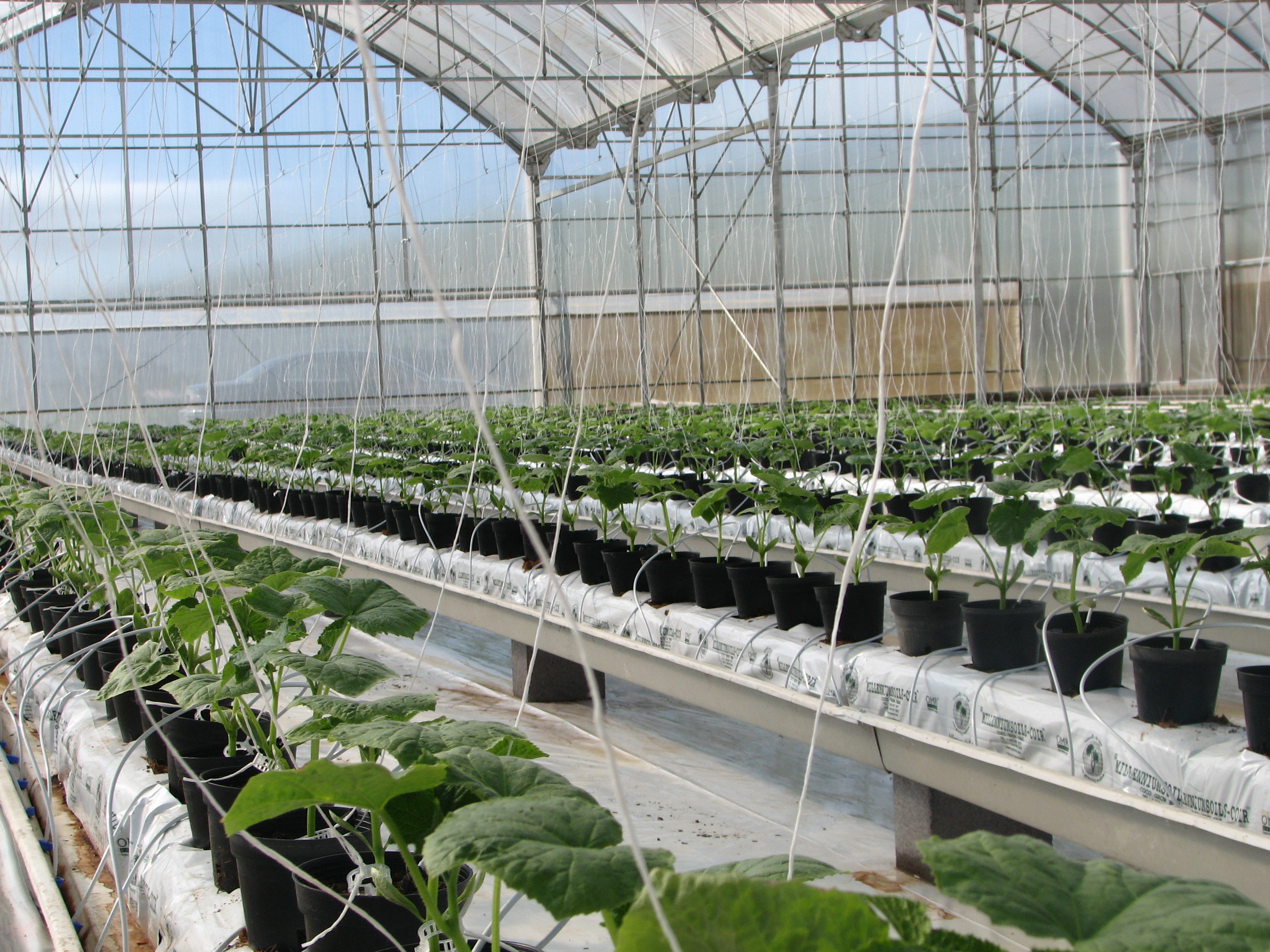
One of the primary benefits of customized hydroponic greenhouses is their ability to optimize growing conditions. Unlike traditional soil-based farming, hydroponics allows for precise control over nutrient delivery, water usage, and environmental factors such as temperature and humidity. Custom-designed greenhouses can integrate these systems more effectively, ensuring that plants receive the ideal conditions for growth year-round. This results in faster growth cycles, higher yields, and superior quality produce.
Moreover, customized hydroponic greenhouses can significantly reduce water consumption compared to conventional farming methods. Hydroponic systems use up to 90% less water, as the water is recirculated within the system rather than being lost to evaporation or runoff. This is particularly advantageous in regions that experience water scarcity, making hydroponic greenhouses a sustainable choice for future agricultural practices.
Another aspect to consider is the versatility of customized hydroponic greenhouses. They can be tailored to grow a wide variety of crops, from leafy greens to fruit-bearing plants, depending on the market demand. By adjusting the greenhouse design and hydroponic setup, growers can respond swiftly to changing consumer preferences, making them more competitive in the marketplace.
When planning a customized hydroponic greenhouse, several key factors should be considered. First, the selection of the hydroponic system is crucial; options include nutrient film technique (NFT), deep water culture (DWC), and aeroponics, each with unique advantages depending on the intended crop. Additionally, factors such as light availability, ventilation, and temperature control must be addressed in the greenhouse design to ensure optimal plant growth.
Furthermore, growers should consider the initial investment and ongoing operational costs associated with customized hydroponic greenhouses. While the upfront costs may be higher than traditional farming setups, the long-term benefits of increased yields, reduced resource consumption, and the potential for year-round production can result in a favorable return on investment.
In conclusion, customized hydroponic greenhouses represent a promising avenue for agricultural innovation. By maximizing resource efficiency and providing an adaptable growing environment, these facilities not only contribute to sustainable agriculture but also empower growers to meet the increasing demand for fresh, high-quality produce. As the industry continues to evolve, investing in customized hydroponic greenhouses could be key to future-proofing agricultural operations and ensuring food security in a changing world.
Related Information
AI+ Agriculture: Discuss its present, challenges and future
Jun 18,2024
Causes and solutions of strawberry albino fruit
Jun 18,2024
Smart Greenhouse Global Opportunity Analysis and Industry, 2020-2027
Jun 18,2024
Industry Information
Your Reliable Supplier of Complete Greenhouse Solution
Empower Smart Agriculture, Nurture Green Life, Ensure Food Safety, Share A Better Life
CONTACT INFORMATION
Add: Room 2204, Building T1, No. 1-1 Taipei Road, Siming District, Xiamen, China
WhatsApp: +86 137 7467 8874
Email: Guniverse@guniver.com
All Rights Reserved © 2024 Guniverse Intelligent Agricultural Tech Co., Ltd.